Hey Miss Jane!
Losing my job during this current COVID lockdown couldn’t have come at a worse time, I’m feeling so overwhelmed!

Hello, there lovely readers. I hope you are keeping safe during our latest spate of lockdowns. After mutual introductions recently, a client voiced his concern about losing his job, on top of dealing with COVID lockdown. I asked him what had helped him the most when dealing with past monumental changes. ‘Writing all the junk floating around in my head down on paper at the time helped me make sense of it all and cleared my mind to focus on what I was still able to control’, he responded. ‘Ah, so you found Journaling helpful then, have you thought to try this again?‘ ‘Journaling?’ he said, ‘What’s that?’
Journalling? Wait! Did I just hear a collective sigh?
How we deal with job loss or any major upheaval depends on several factors. Age, our family, lifestyle and financial situations, past experiences, our natural disposition to handling change, to name a few – each playing a part in how we cope with such momentous events. Lockdown is no exception. My client was surprised to learn that Journaling has had a huge resurgence since the advent of COVID; people using this methodology to document their journey, make sense of where they are at or exercise gratitude.
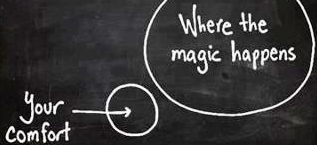
With any major personal upheaval, we are thrown way out of our comfort zone. Shock, anger, denial, worry, resistance, potential depression are just some of the emotions we may experience. The thing is, we don’t stop methodically at each of these stations. Wouldn’t it be convenient if we could exclaim – ‘Shhh! Don’t disturb me; I’m on my worry day; hand me my worry beads, a jug of wine, then bugger off!’ Nope! It’s human nature to ricochet back and forth thanks to our emotional state on the day. Enter the journal. Documenting and processing our feelings and emotions helps us make sense of this new reality. It’s only then that we can move on, and in my client’s case, forge a job search action plan.
Journalling is not for everybody. But for many, it offers an opportunity to clear the head and make sense of swirling emotions and negative thoughts. When I feel overwhelmed and need to still the chattering monkeys, I reach for my journal. It just works.
Ok! You’ve decided to give it a go, purchased your smart-looking journal, and you’re now wondering what next?
Here’s a start – before turning the lights out, open your journal and put your favourite pen on the paper. Now write the first thing that comes into your head…a thought, a feeling, an emotion, a good thing that happened, a bad one, people you interacted with, a memorable snippet of conversation, a quote you liked, something you learnt…doesn’t matter what you write, write. Now here comes the liberating part.

If you are feeling troubled, write down all the contributing factors. Yes, list them. Every single one of them, big or small. All of ’em! Now review each point and ask yourself, ‘Is there anything I can do about this one?’ If the answer is ‘nope, it’s beyond my control’ – your job being made redundant, for instance – cross it off the list. Permit yourself to put a big line through it! Repeat with each point until you are left with only those you can control. Now remind yourself that you will never waste another moment of your valuable energy dwelling on those that fell on the cutting floor.
If worry is your middle name, why not take a leaf from Dale Carnegie’s perennial book ‘How to Stop Worrying and Start Living’ and think to yourself – what is the absolute worst that could happen, yes, the absolute worst…then ask yourself how likely is that actually to occur? Work back from there on steps you would take to avoid that happening in the first place, and suddenly, what might have felt insurmountable just lost its spotlight, for you are already planning. This leads to the good part!
Look at the remaining points and think of just one action you will take to address each one, one by one. Just one action (baby steps) per point. Once done, take just three action steps (remember, baby steps) you can readily implement tomorrow and write them on a fresh page. Now commit yourself to put these into action when you wake.
Oh! And before you close that journal, just one more thing!
 Write down ‘just one thing’ you were grateful for today. A roof over your head, a lovely chat with a friend, the joy of your child’s laughter, your partner’s embrace, the dog’s unwavering loyalty, the food on your table, nice weather… you get the gist. If all else fails, might I suggest a thought for the many who are worse off in our war-torn COVID disruptive world? And now for the best part of this journey…
Soon you’ll be writing more and more positives and a whole lot fewer negatives. That false bravado will move from ‘fakin’ it to makin’ it’, and the next exciting chapter of your life will start to unfold. During the journey, your journal may move on to become your constant companion, or it may just emerge for troubling occasions; it doesn’t matter. Mine? It continues to serve as a gratitude journal. Cue collective sigh…why not give it a go?
NB: Employee Assistance Programs (EAP), Counsellors and Psychologists are invaluable support mechanisms, don’t be afraid to seek their guidance. For immediate need, reach out to BeyondBlue (24 hrs a day, 7 days a week) 1300 22 4636.


 For some experiencing redundancy it’s ‘Yea! I’ve just wheeled out a barrow full of payout money from that fantastic job where they simply couldn’t afford to keep me anymore, a nice reward for my services – now where would I like to work next?’ For others it’s ‘Oh my god, I’m taking the kids out of university, selling the house, moving in with the mother in law, downsizing the car, calling Centrelink!’ And on the rare occasion, ‘I’m taking ’em to court for unfair dismissal, after all the years I’ve served them, this is how they repay me! Well they won’t survive without me I can tell you, the place will go to hell in a basket!’ Whoa! Manage your ‘brand’ there fella! Yes, we each have our own processing mechanisms, but let’s look at the situation objectively…
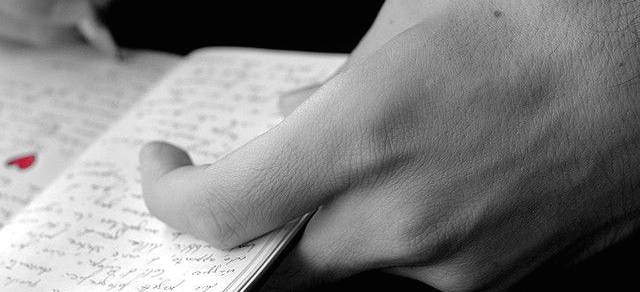 ss or simply needing to process excessive brain activity and restore calm, it’s no surprise that journaling has re-emerged as a valuable tool for managing your personal carriage on the roller-coaster of this fast paced world. I don’t believe journals/diaries ever left, just that we’ve become too busy to use them…oh the irony! Take a look at a Kikki K catalog these days and you’ll see an evident resurgence – ‘A Sentence a Day Journal’; ‘100 Dreams Journal’ ‘Goals Journal’, ‘Words to Inspire Journal’, ‘Happiness Journal’, ‘Gratitude Journal’, ‘365 Journal’ – the list goes on.
 tually occur? Work back from there on steps you would take to avoid that happening in the first place and suddenly, what might have felt insurmountable just lost it’s spotlight for you are already planning ahead. Which leads to the good part!