Explore

For the wanderers

Britain’s Story – Face by Face

From Shakespeare to Bowie — and a modern twist by Jenny Saville

While the boys explore Soho and Chinatown in search of the perfect nosh, I go roaming for something equally enticing. Today’s pitstop – London’s National Portrait Gallery.

Hi there lovely readers,

Throw me into a jolly good bookshop or an art gallery and I’m in my happy place, one offering a mental journey via the mighty pen, the other a visual journey through an artist’s chosen medium. And what better way to blend the two than review London’s history via the Portrait Gallery? Top floor (early centuries) down (current), starting with the current guest artist…

First Stop: Jenny Saville – The Anatomy of Painting

I begin with an intriguing exhibition by Jenny Saville, one of Britain’s most celebrated contemporary painters. A collection of 45 works tracing her career and her ongoing conversation with art history. The show was created in close collaboration with the artist herself, and it feels like stepping into her evolving sketchbook of bold, raw humanity. Exciting, at times visceral, a must-see when you’re in London Town. Here’s just a small example…

The Gallery Itself – Britain’s Ultimate Family Album

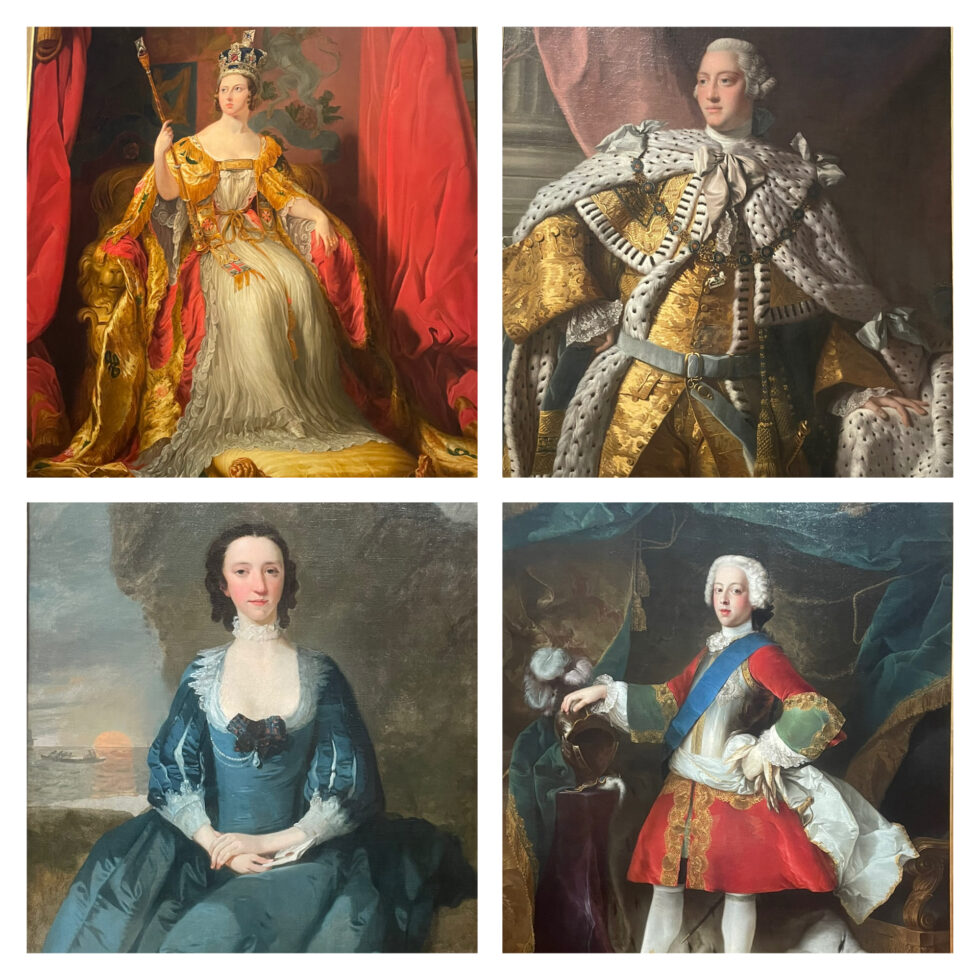
From there, I wander into the main gallery — a place that tells the story of Britain not through dates or dusty timelines, but through faces. The National Portrait Gallery is all about the people: queens, rebels, poets, politicians, pop stars, and everyday heroes who’ve shaped the nation. Starting point? Yep, the top floor!
What makes it so brilliant?

I loved that the gallery is all about the who, not just the how. The art is important, but the real focus is on the person in the frame and their impact on British history and culture; from Tudor monarchs to pop culture creatives. Through paintings, drawings, photos, sculptures and digital media for every individual who has left a mark on Britain, chances are they’re here.
Having visited the Tower of London and explored its bloodied timeline, the Portrait Gallery humanised that history. Walk chronologically and you’ll see Britain’s story unfold through the eyes of Shakespeare, Churchill, Bowie, Malala — and so many more.
 It’s Britain told not through battles and dates, but through the people who lived, led, created, and inspired. Thoroughly recommend!
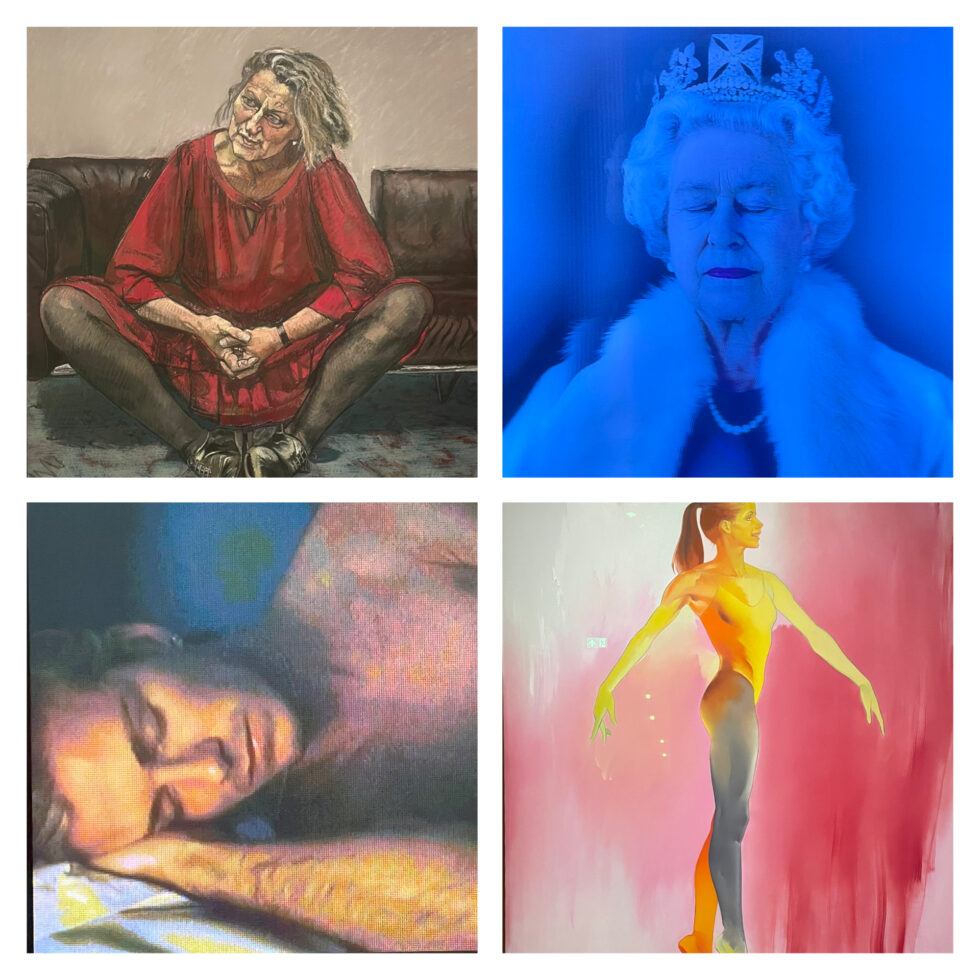
A few things I learnt along the way…

# Ada Lovelace (1815-1852), a mathematician and computer pioneer,  worked with the inventor Charles Babbage on plans for a device called the Analytic Engine. Her work led to her being described as the earliest computer programmer.
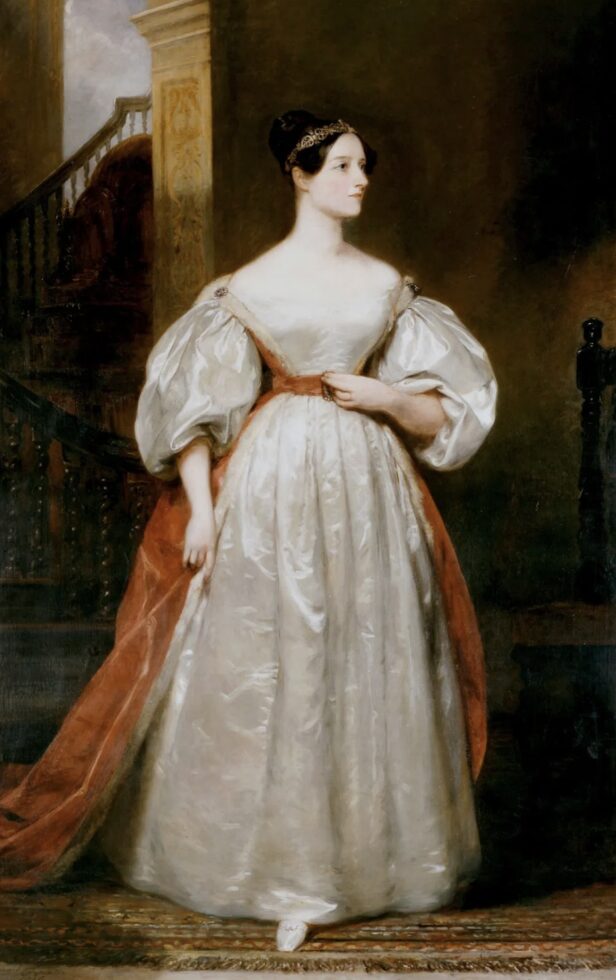
Ada Lovelace  – artist Margaret Carpenter (1836)
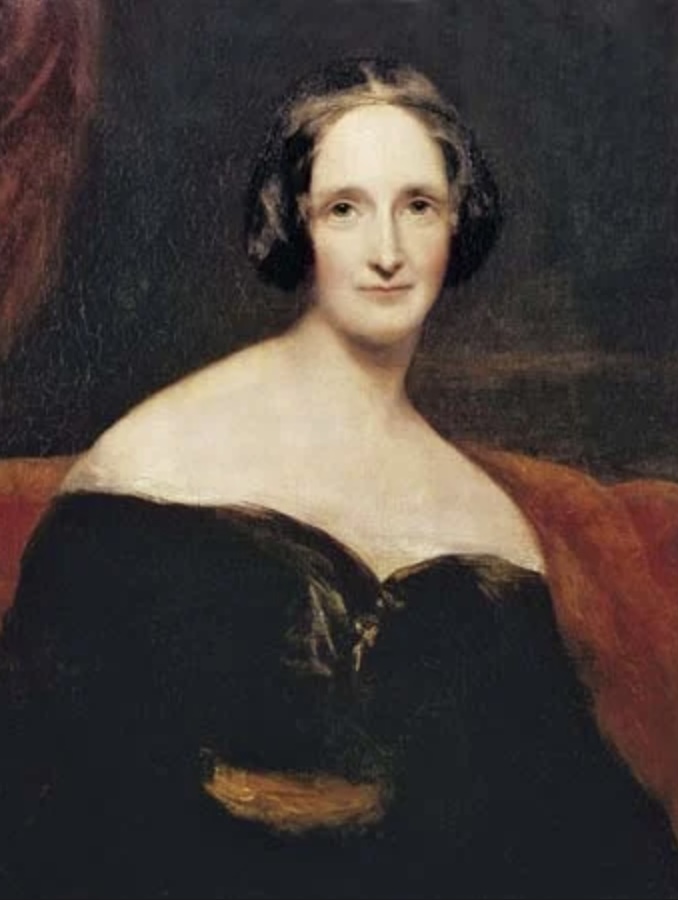
Mary Shelley – artist Richard Rothwell (1840)


# Mary Wollstonecraft Godwin (1797 – 1851) married the poet Percy Bysshe Shelley, wrote Frankstein (The Modern Prometheus – written 1818, revised 1831), and other fine works, and after her husband’s death, penned a travel log of her travels throughout Europe with her late husband. Her mother, Mary Wollstonecraft (who died after giving birth to her daughter) was also an English writer as well as a philosopher and advocate of women’s right,  best known for A Vindication of the Rights of Woman (1792).

# David Beckham’s portrait is actually a video recording of him sleeping (and not a snore or dribble in sight!)
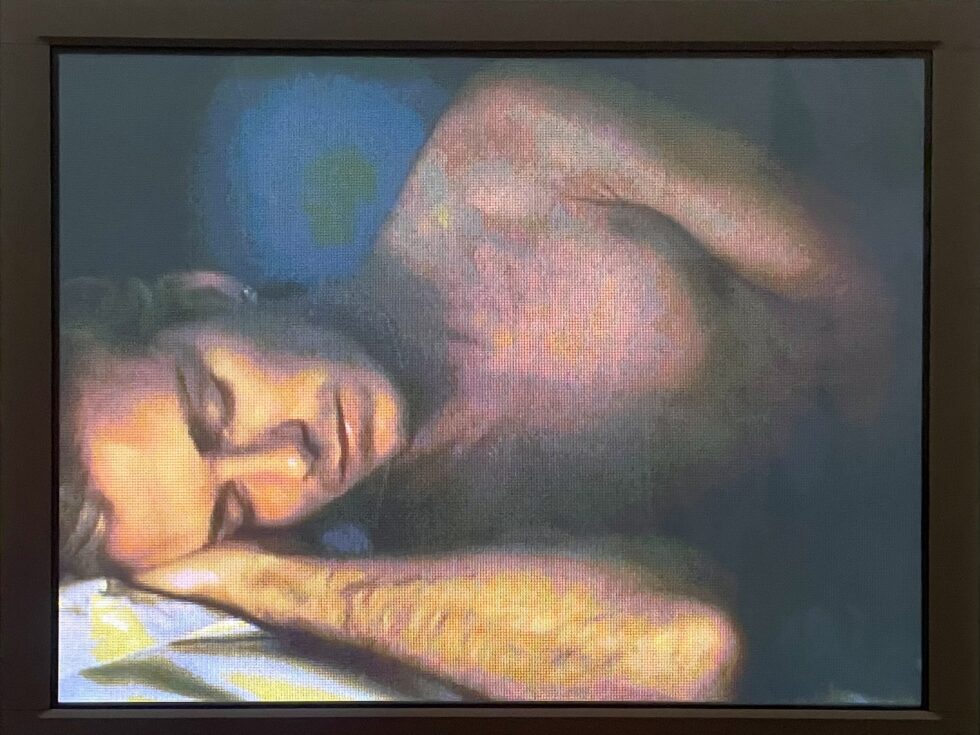
David Beckham (‘David’) by Sam Taylor-Johnson


When Monuments Speak

What London’s memorials whisper if you pause long enough to listen

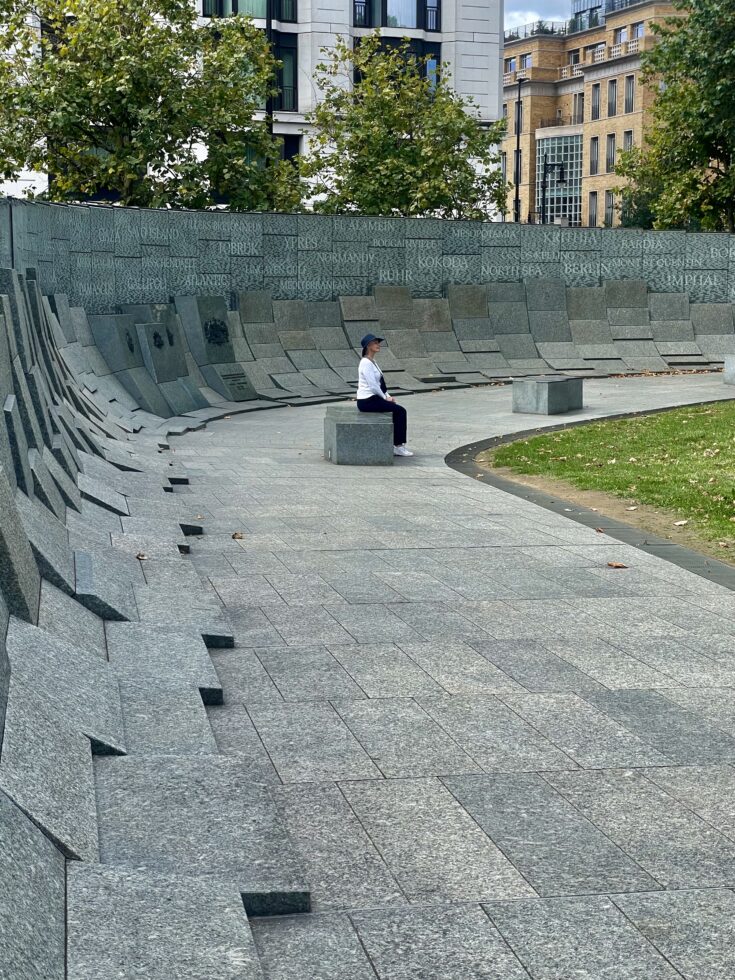
The Australian War Memorial – London

Hi there lovely readers!

The feet are getting weary but not the enthusiasm! While I compile a snapshot of highlights from the last few days, thought I’d share two particularly moving London Memorials.

Tucked into Hyde Park Corner, right where London’s ceremonial heart beats between The Mall and Buckingham Palace, stands a piece of home: the Australian War Memorial.
Amidst its fellow monuments to war, this one doesn’t shout. Instead, it rises gently from the park, a sweep of Australian granite that feels part sculpture, part landscape.

It’s worth taking a closer look for when you do, you’ll see the walls covered in 23,844 place names — the towns and regions our lost Australians called home before leaving to serve in the World Wars. Layered over these are the names of 47 battles where they fought. Quite moving as it’s vast, yet intimate, every word carved in that stone carrying its own story.

Architect Peter Tonkin described the design as reflecting Australia itself — wide, generous, open — with subtle nods to gum leaves and even a boomerang in the curving form.

A place of remembrance, yes — but also of connection. The two men beside me, our host and G, both Military men, are somber at the thought that even here, in the centre of London, Australia’s stories and sacrifices are etched into the city’s fabric.

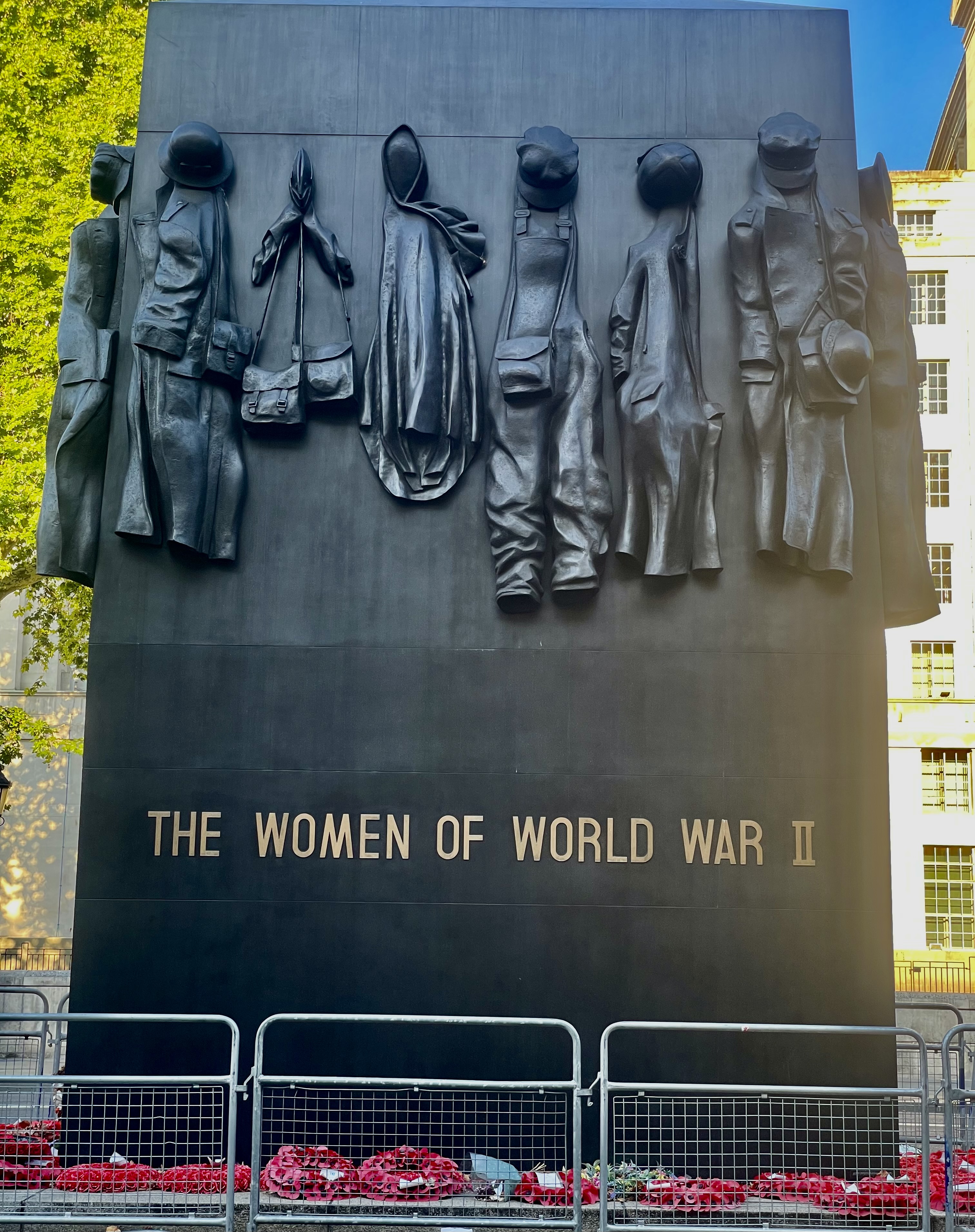
The Women of World War Two Monument
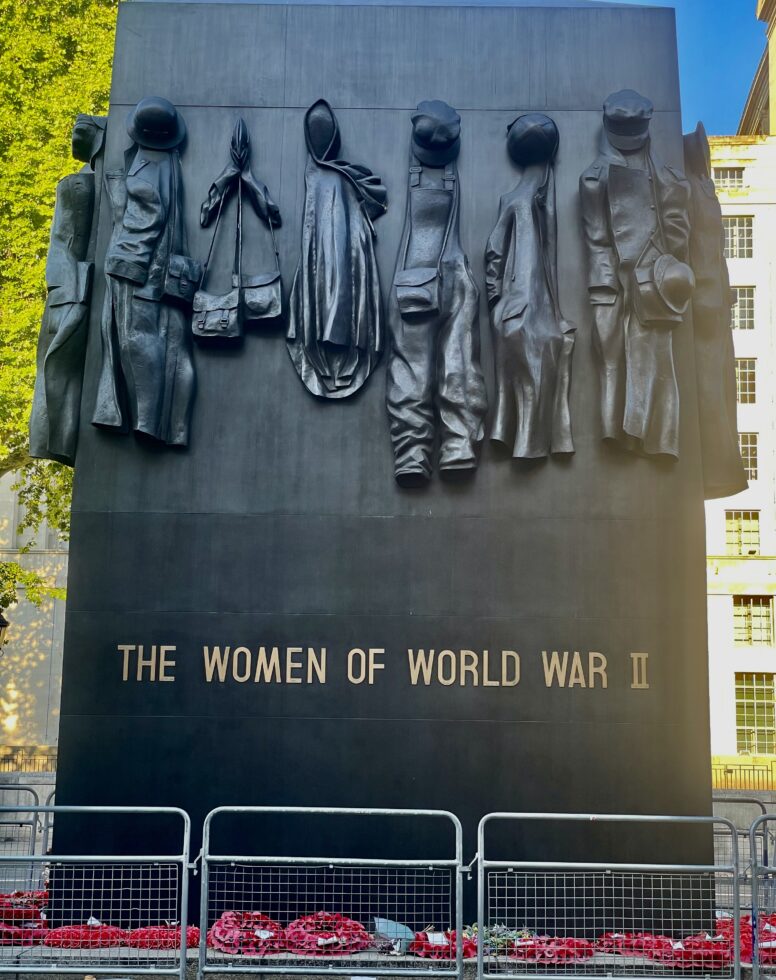
Strolling around Whitehall we paused to admire this striking bronze monument honouring the seven million women who kept Britain running during WWII. After checking out the War Rooms, we identified that the bold gold lettering across it even mimics the font of wartime ration books.

Around the outside hang 17 sculpted uniforms and helmets, symbolising the hundreds of jobs women took on — from mechanics, engineers, and bus drivers to air raid wardens and munitions workers. Yet when the war ended, most were expected to “quietly hang up their uniforms” and return to domestic life.

As history shows, women’s contributions were often overlooked, but they were extraordinary: more than 640,000 served in the armed forces, including pioneers like Lilian Bader, one of the first women to qualify as an instrument repairer with the WAAF, and Georgina Masson, the first Black woman officer in the ATS.

Standing before the monument, you can almost feel the weight of those stories — women who shaped history but too often faded into its margins.


So many more monuments in recognition of the many wars fought, however I felt compelled to tell the story of two that particularly pulled at our collective heart strings. More soon and continuing the military theme with a day trip to Portsmouth tomorrow. 

Lions, Lamp Posts and London Legends

Where Nelson keeps watch, lions have cat feet, and lamp posts moonlight as police stations

Hello again lovelies!

Coffee and croissant later, we’re out the gate and running again!

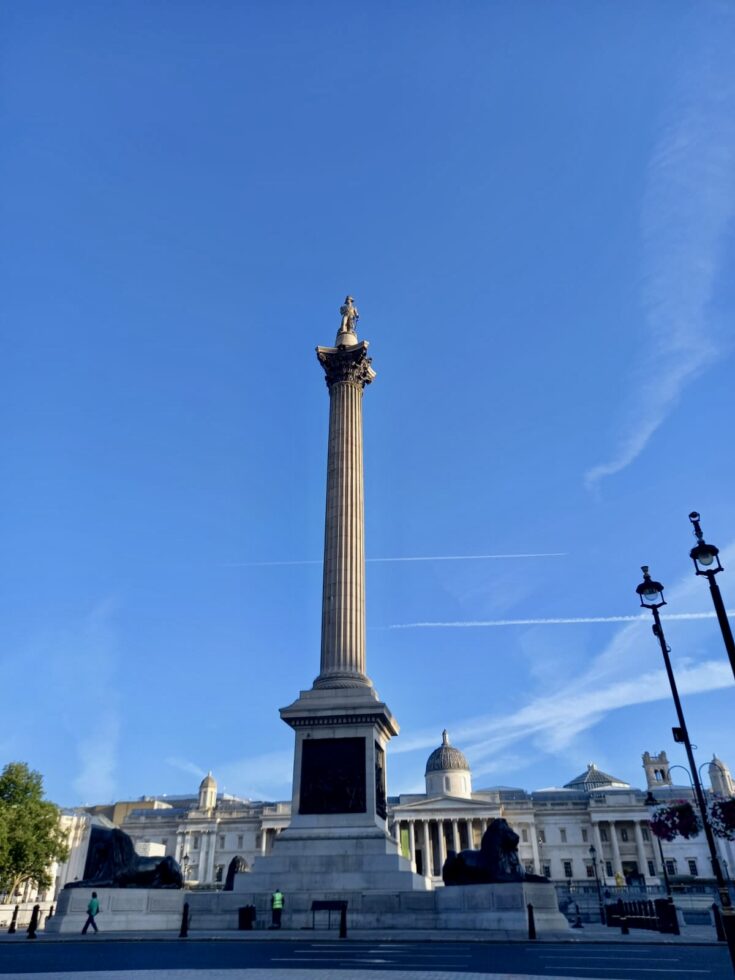
Or at least at a leisurely “holiday pace.” Today our route begins in Trafalgar Square, the city’s grand open-air living room.

Lions & Lamp Posts

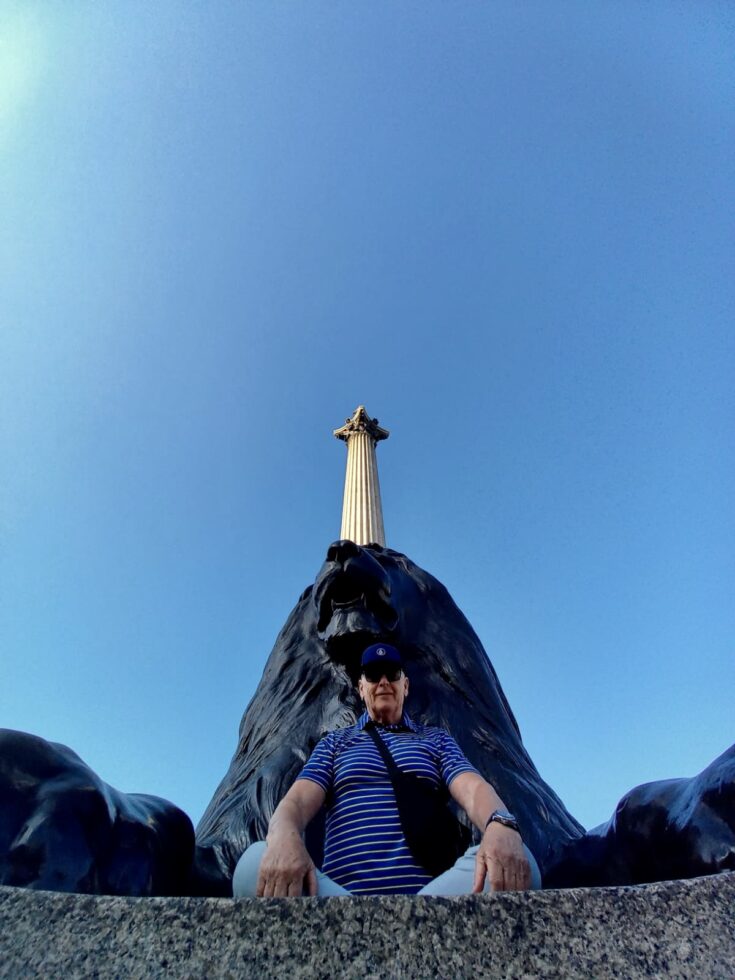
Rising 52 metres into a clear cerulean sky, Nelson’s Column dominates Trafalgar Square, a proud tribute to Admiral Horatio Nelson — considered by many the greatest of Britain’s naval heroes. His most famous victory came at the Battle of Trafalgar in 1805, when the Royal Navy defeated a combined force of 33 French and Spanish ships, destroying about 20 without losing a single vessel. Nelson himself was killed in that battle, but here in London, he watches over the city forever.

Fun Facts about Trafalgar Square:

#1: If you walk down The Mall, you’ll spot lamp posts topped with tiny galleon-like ships — nicknamed Nelson’s Fleet. They’re said to represent the ships from Trafalgar, though no one can quite agree if each one matches a real vessel.

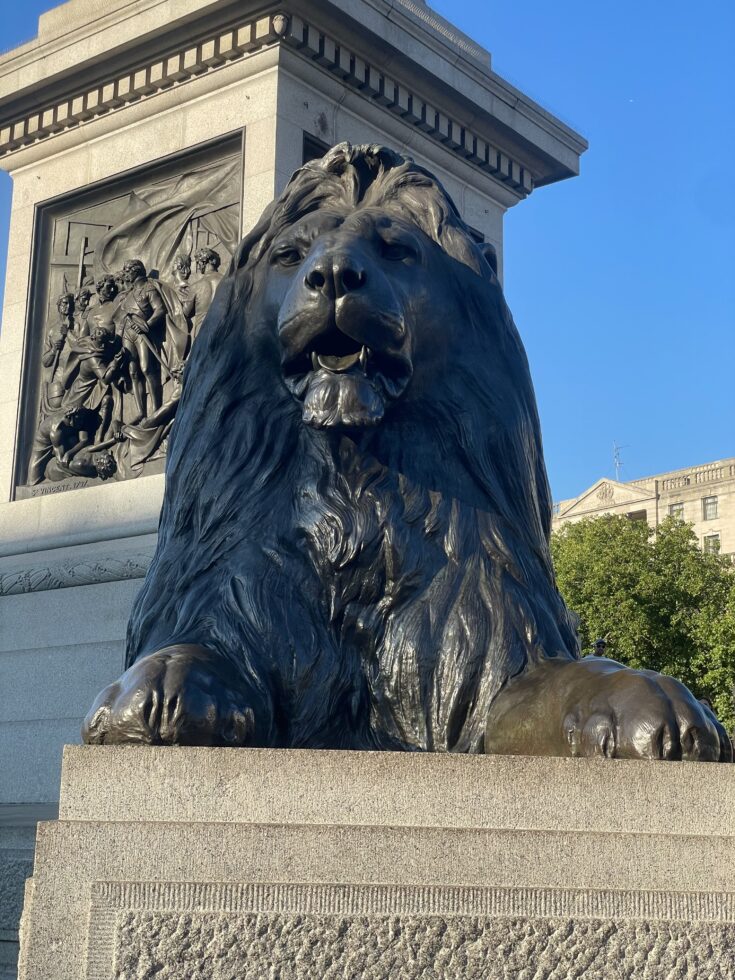
#2: The four enormous lions guarding Nelson’s Column were sculpted by Sir Edwin Landseer — but their paws are suspiciously…cat-like. That’s because the dead lion Landseer used as a model (from London Zoo) had started to decompose by the time he got to the paws, so instead he borrowed the shape from his pet cats.

#3: Cannons from the destroyed French fleet were used across London as road Bollards,  though few remain today, hows that for sticking the finger to them?

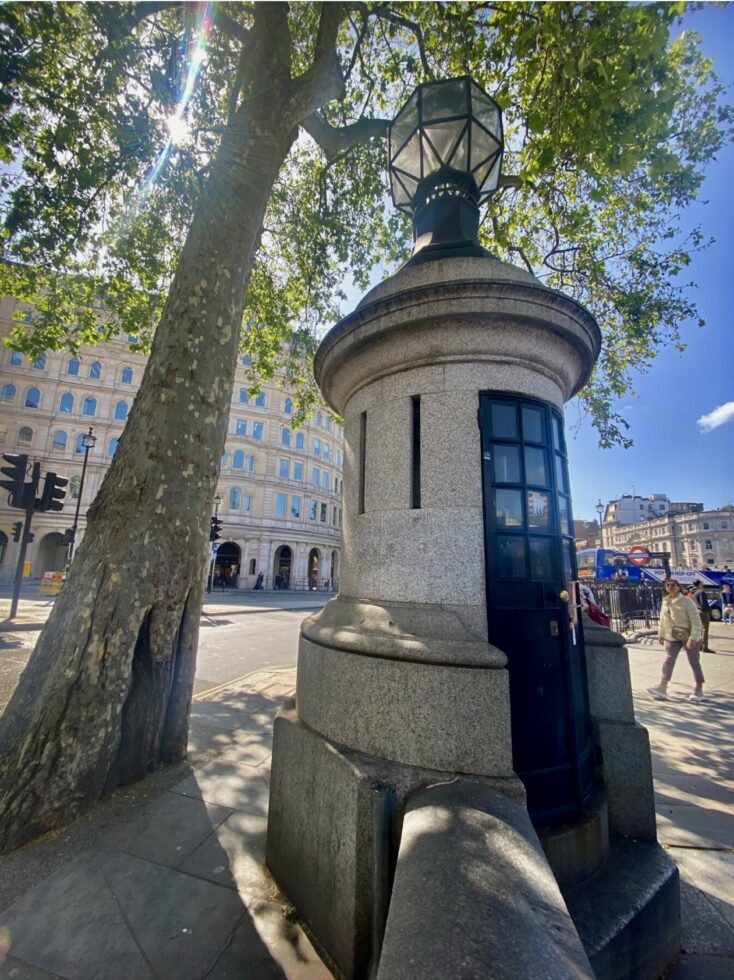
#4: There’s an unassuming lamp post hiding something unexpected — a one-person police station, built in 1928 so officers could discreetly watch over protests in Parliament Square. London loves a good secret, though it’s now a handy broom cupboard!

Screenshot

We linger in the square, imagining it lit for its annual Christmas ceremony, when Oslo gifts London a towering spruce as a thank-you for Britain’s support during WWII — a tradition since 1947.

Palaces and Pelicans

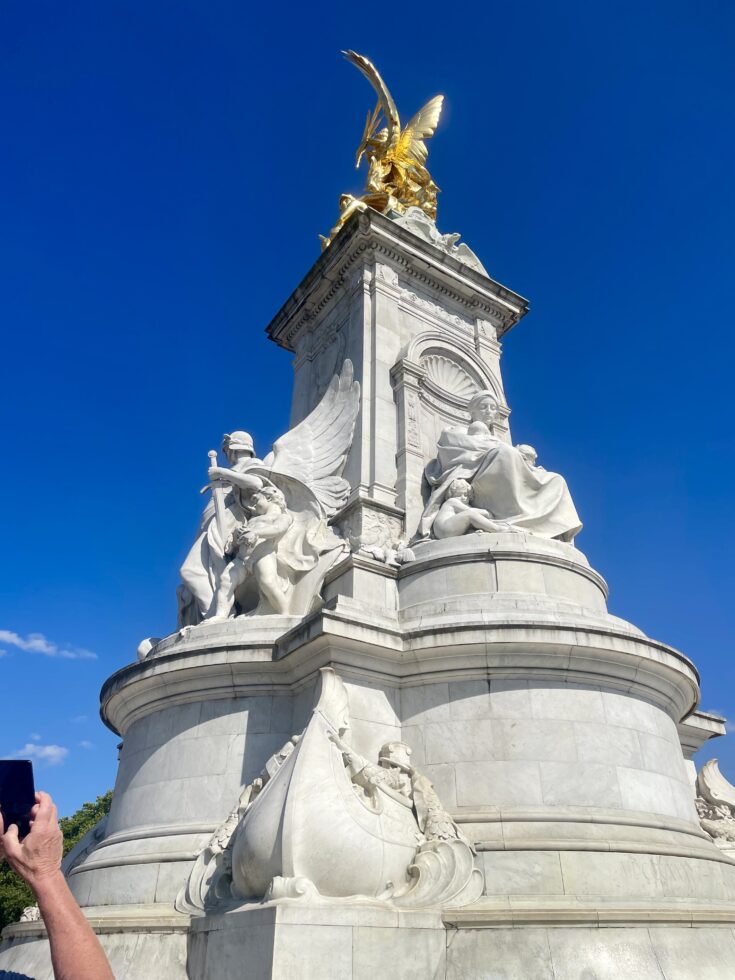
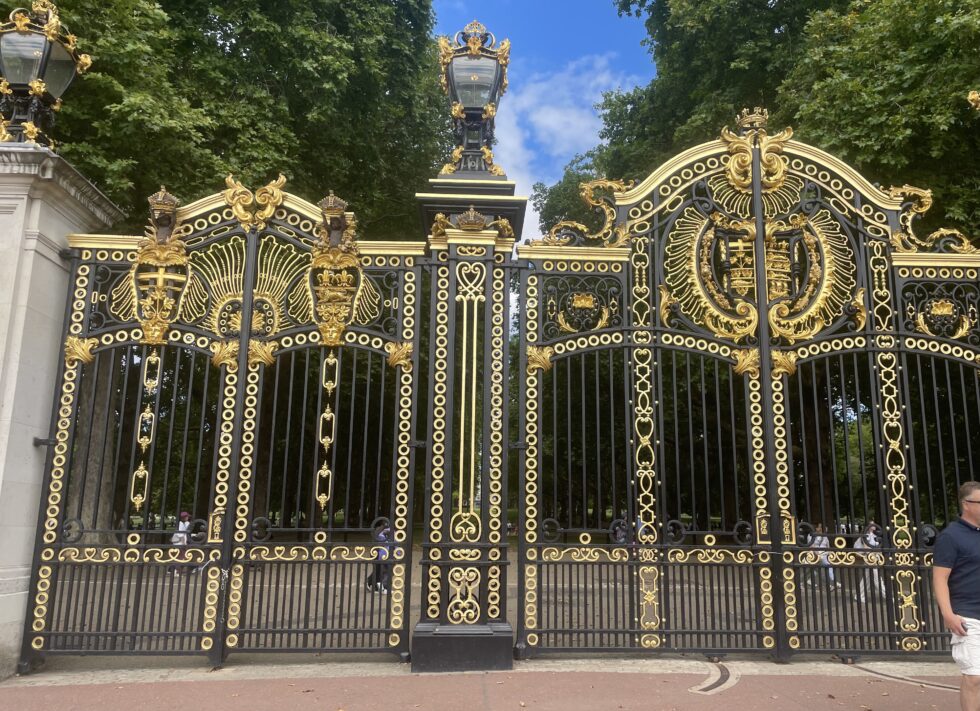
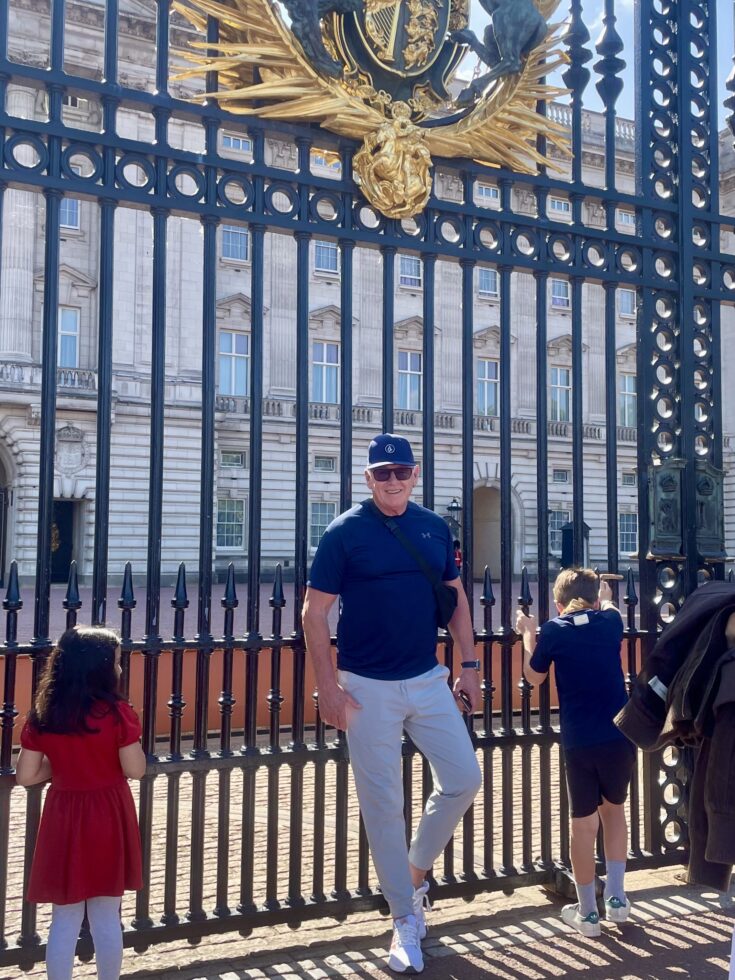
The obligatory snap in front of Buckingham Palace, where G tries not to look like a kiddy snatcher, a turn around Queen Victoria’s sparkling Statue then through the magnificent golden gates we wander into St James’s Park, pausing for a peek at the pink pelicans preening at waters edge.

(Fun fact! – Pelicans have actually lived here since 1664, when the Russian Ambassador gifted the first pair to the monarch — today’s flock includes Isla, Tiffany, Gargi, Sun, Moon and Star, who behave like absolute feathered royalty.)

Birdcages and Horse Guards

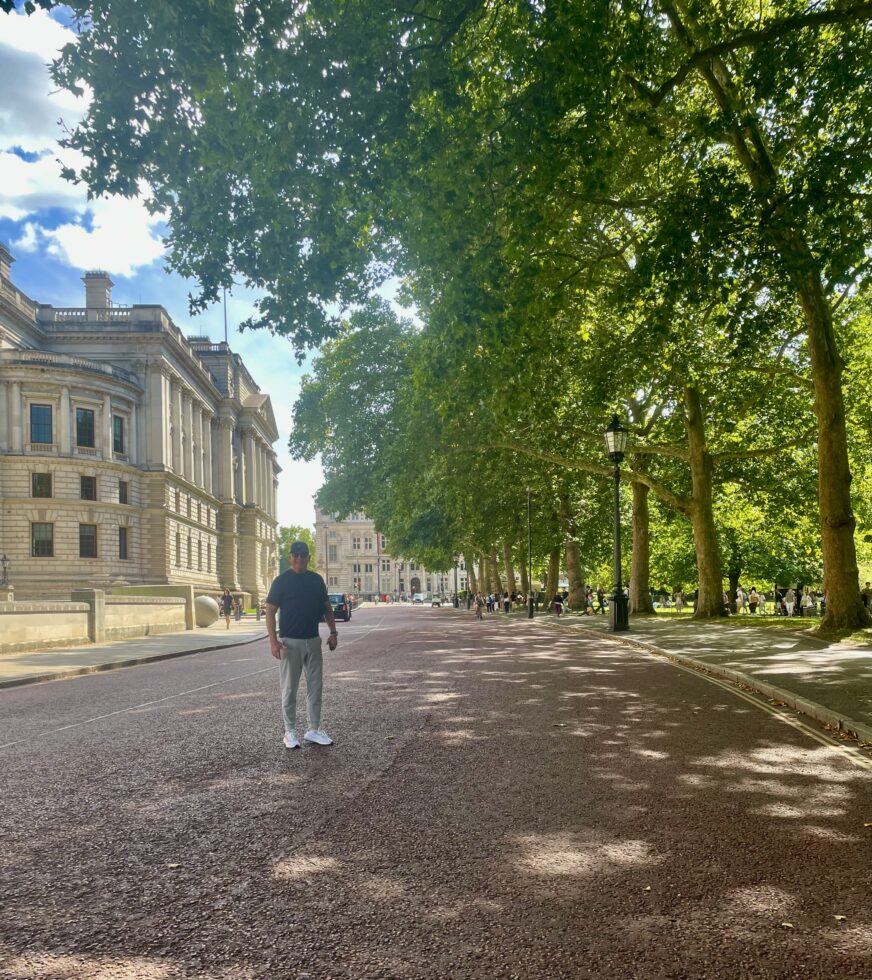
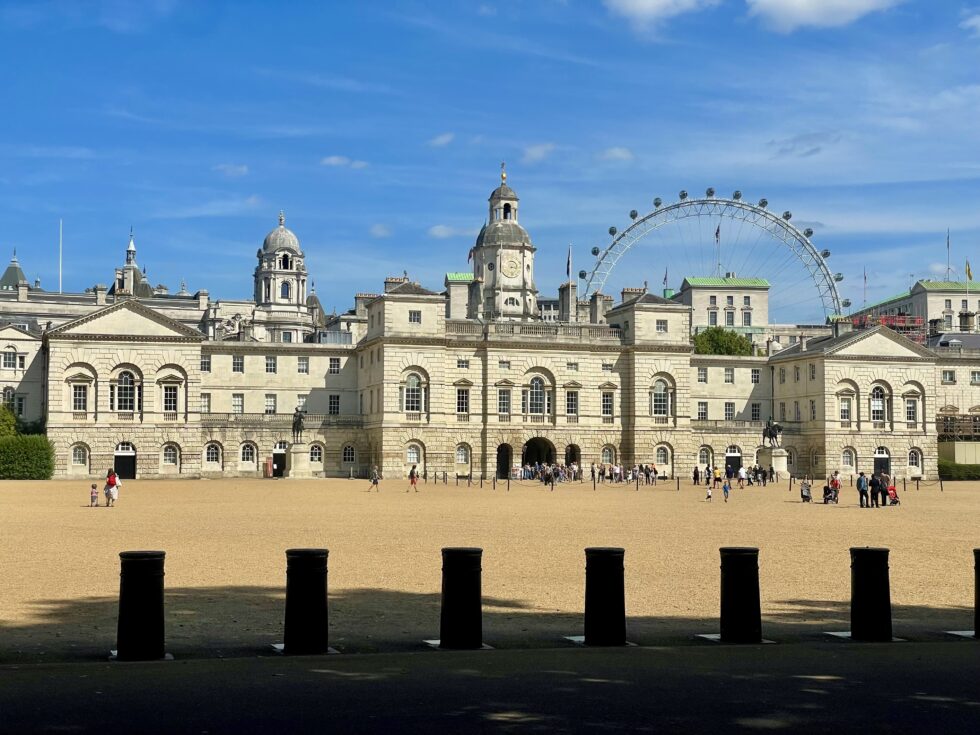
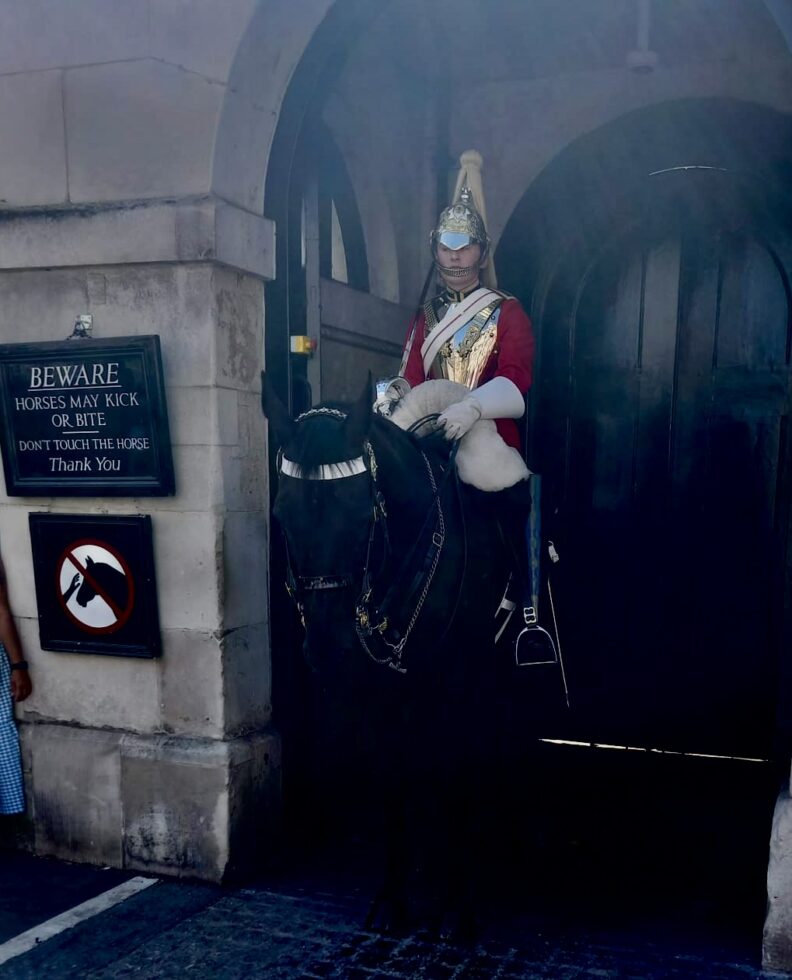
Onto Birdcage Walk to Horse Guards Road, we detour to greet the Royal Horse Guards in all their gleaming finery.

Fun Facts – the Birdcage Walk

#1: Originally an enormous cage, Birdcage Walk gets its name from King James I’st royal aviary and menagerie, which once stood alongside St James’s Park. It wasn’t just filled with birds like hawks and falcons — the collection reportedly included camels, crocodiles, and even an elephant.

#2: For over 200 years it was a private royal road – until 1828, only the royal family and the Duke of St. Albans (the Hereditary Grand Falconer) were allowed to drive along Birdcage Walk. Everyone else had to go the long way around!

#3: Part of D-Day was planned at One Birdcage Walk — a building still standing on the street — it was also used for secret planning sessions ahead of the D-Day landings in World War II.

#4: The jet engine was presented here too – soon after the war, Sir Frank Whittle introduced his groundbreaking plans for the jet engine in the Lecture Theatre at One Birdcage Walk.

#5: You’ve probably seen it without realising – Birdcage Walk is part of the route of the London Marathon, and even includes a hidden alley called Cockpit Steps, which appears in the diaries of both Samuel Pepys and John Evelyn.

Fun Facts – the Horse Guards

#1. A royal execution is literally marked on the clock – there’s a little black mark on the clock overlooking Horse Guards Parade marking 2:00 pm, the exact moment King Charles I was executed in 1649. Rather a dramatic reminder don’t you think?

#2. You can personally meet the King’s Life Guard (and their horses!) – between 10 am and 4 pm daily, they mount up in full ceremonial gear — gleaming helmets, breastplates, immaculately brushed horses — and perform a timeless ritual right in the middle of modern London. The horses don’t mind their photo being taken and also don’t mind taking a nip if you get too close. It’s must have been 50 degrees inside the guards outfits today! 


Finally, an amble along Whitehall, sneaking a peek through the gates of No. 10 Downing Street before heading to a respectable ale house for a well-deserved G&T and a toss up between Sunday roast with Yorkshire pudding or a light summer salad. The yorky pudding won. A lazy day by London standards — but for us, a perfect blend of ceremony, gardens, and a gentle loop through history.

1 2 3 4 5 6 68