Explore

For the wanderers

Crowns, Clocks and Cozy Cafes

From bling and butter pats to one poor chap lighting 300 fires — Windsor Castle at its royal best.

Hi there lovely readers,

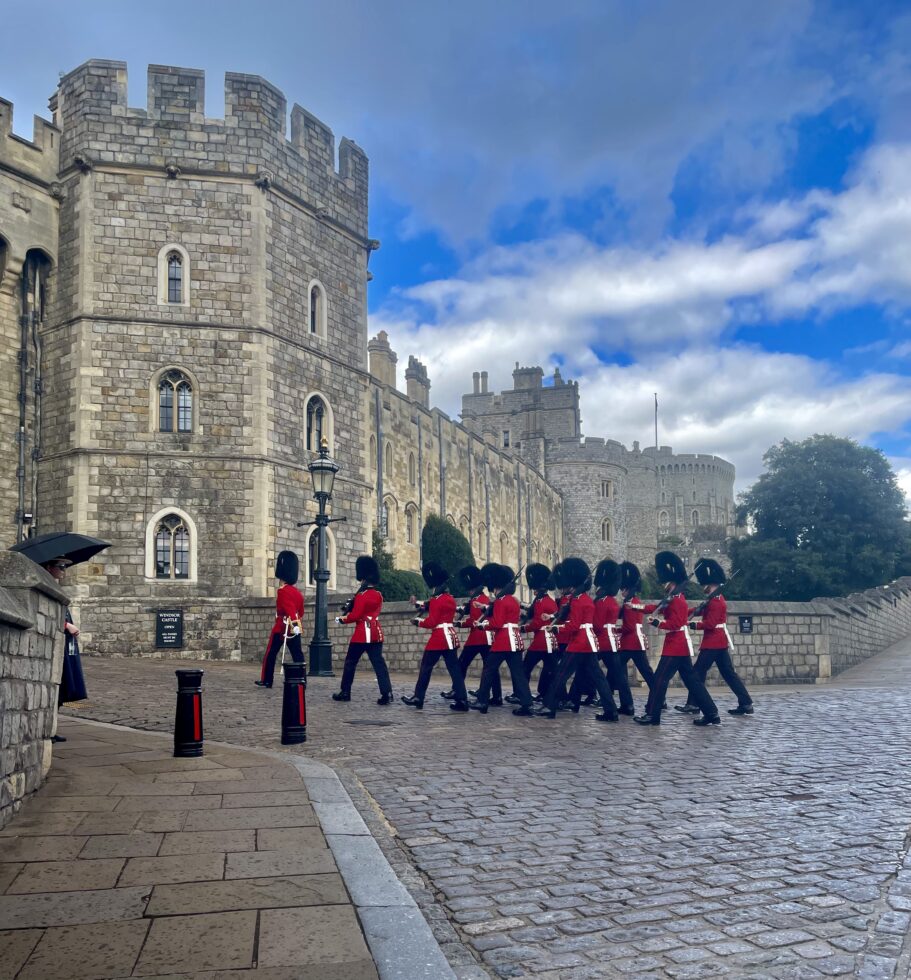
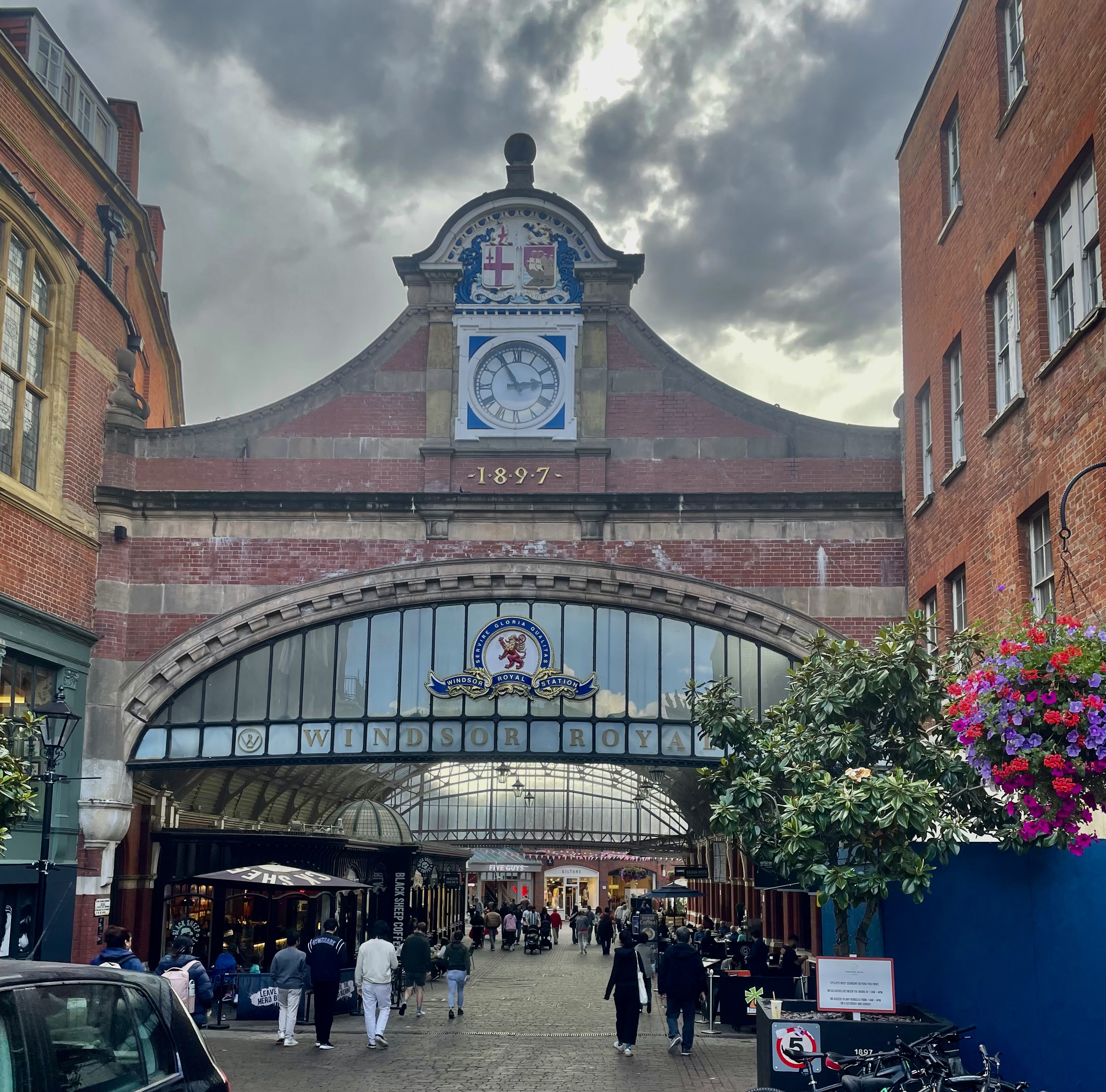
The last time I wandered Windsor’s cobbled streets, the village was wrapped in a winter mist so thick you could almost taste it. We’d nestled in a café window, steaming hot chocolate in hand, to watch the fog slowly lift to reveal the castle – regal, ethereal, majestic – then learnt that there’d be no entry that day – Her Madge was in residence. This time? King Charles is elsewhere, and the heavy Oak gates are open.
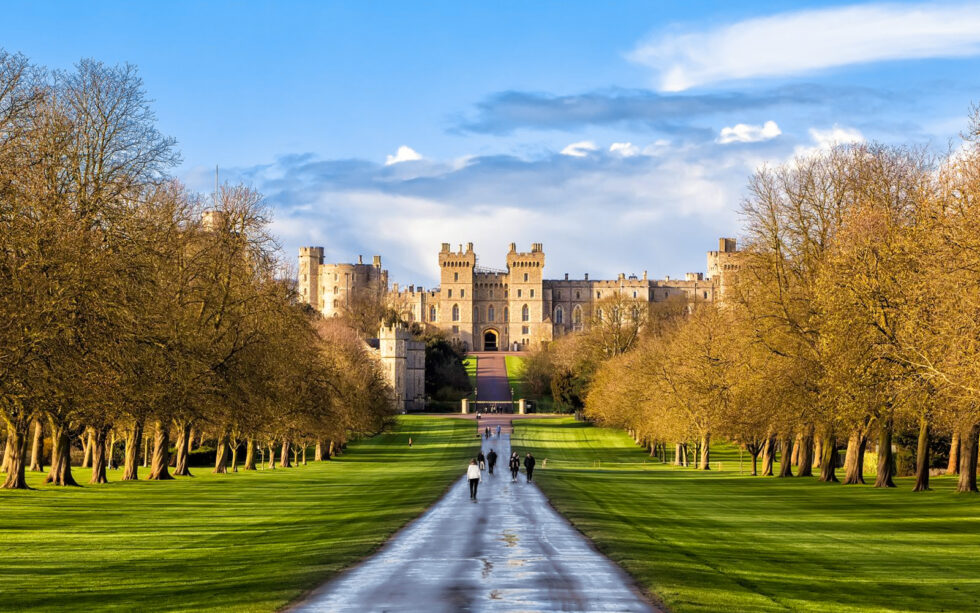
No cameras allowed, permission to simply immerse ourselves in the grandeur – masterpieces by Michelangelo and Rembrandt, armour fit for a king (literally Henry VIII’s), rooms dripping in gold, the cutest little doll’s house and the famous bullet that felled Nelson (our full circle moment!). This castle is Britain’s most glorious time capsule – equal parts history, opulence, and human quirk. Of course we’ve gathered a few fun facts!

Did you know…
1. It’s been home sweet home to Royalty for almost 1,000 years!

Built by William the Conqueror in the 11th century, Windsor is Europe’s longest-occupied palace – 40 monarchs and counting! Henry VIII used it as his personal party palace, and Queen Elizabeth II adored it as her weekend retreat.

2. It once went up in flames
.

A 1992 fire (nicknamed Annus Horribilis, remember?) tore through 100 rooms. The £67 million restoration was partly funded by opening Buckingham Palace to the public, which, in hindsight, feels like a royal “garage sale” gone right.

3. One man, 300 Fireplaces
.

Meet the King’s Fendersmith – possibly the world’s best job title. He’s been tending Windsor’s 300 fireplaces since 1984, just as his father did before him. Talk about keeping the home fires burning!

4. Clocks, Clocks, Clocks
!

There are almost 400 clocks at Windsor – all maintained by one dedicated horological wizard. When daylight saving time hits, he spends 16 hours moving them forward and twice as long winding them back. Imagine explaining that timesheet! Hah Haa!!

5. A Kitchen fit for a King (Literally)
.

The oldest working kitchen in England still hand-rolls every pat of butter with the royal crown stamped on top. Even the kitchen clocks are set five minutes fast – because in a royal household, dinner waits for no one.

6. A Castle so grand it named a family

Once upon a time, the royals were called the House of Saxe-Coburg and Gotha – catchy, right? During World War I, they decided a rebrand was in order (thanks to some awkward German connections), so Windsor it became. The castle didn’t take its name from the royals – the royals took theirs from the castle. Now that’s what you call a power move.

7. The longest driveway in Britain -Literally

The approach to Windsor Castle stretches a stately 2.65 miles. Perfect for royal processions… or a marathon. Legend has it that delivery drivers insisted that the late Queen met them at the front gate – hmmmm…’’hey Jeeves, I simply must draw the line at carrying the takeaway that far, would you be a pet?’
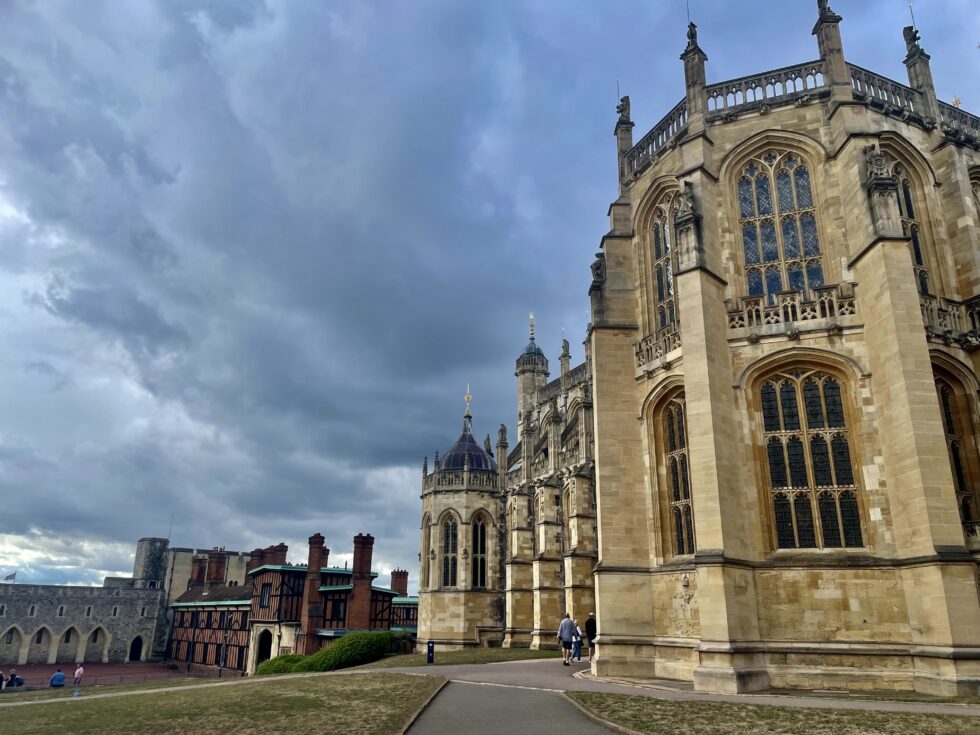

Windsor Castle is proof that even in the grandest castles, it’s the quirks that make it human – from bling and butter pats to one poor bloke keeping 300 fires burning. Long live the sparkle (and the fendersmith).

Of course, at G&T o’clock we just had to try the Fish ‘n Chips at ‘the best fish n chips in the UK’ pub? Meh! That misty morning, with hot chocolate on the other hand….yeah!
Edinburgh – A City of Stories, a Castle of Secrets

Witches, wars, and a sneaky spyhole in Britain’s most besieged fortress.

Hello again, lovely readers!

Edinburgh! After a few hours respite on the train north, we throw the kit into our accom, head out and dive straight into the Fringe buzz.
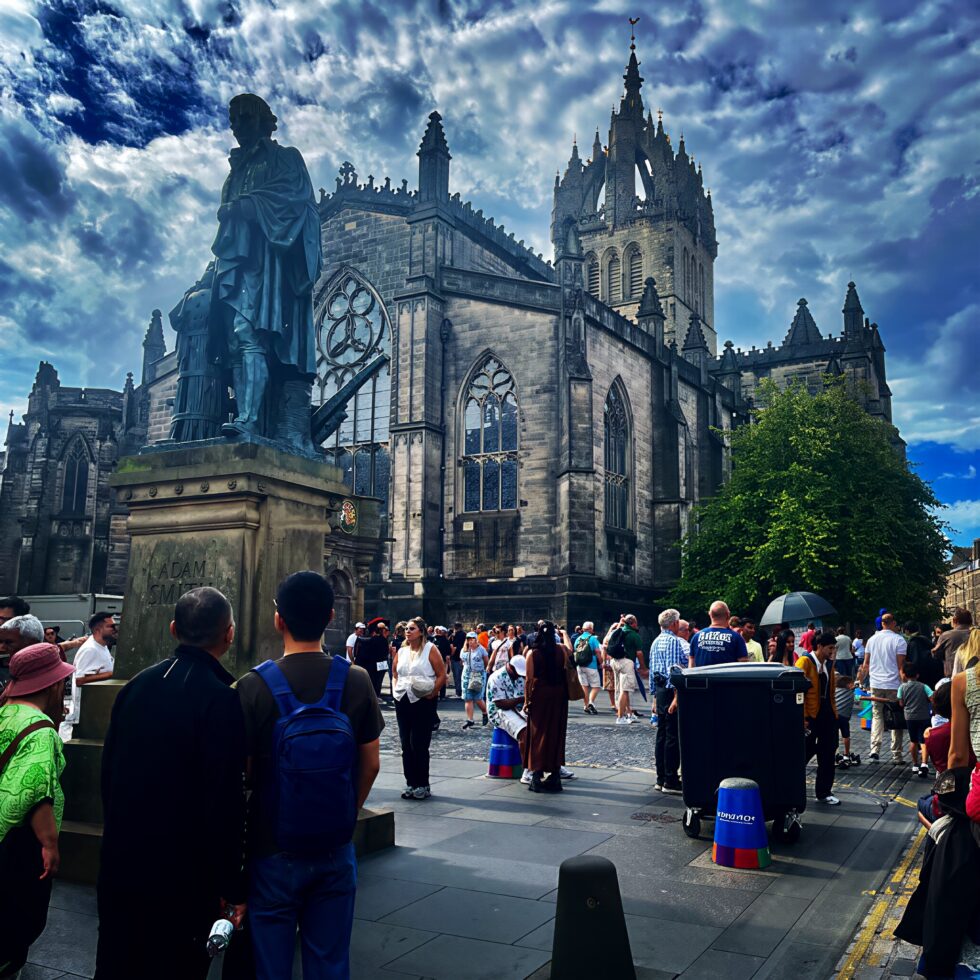
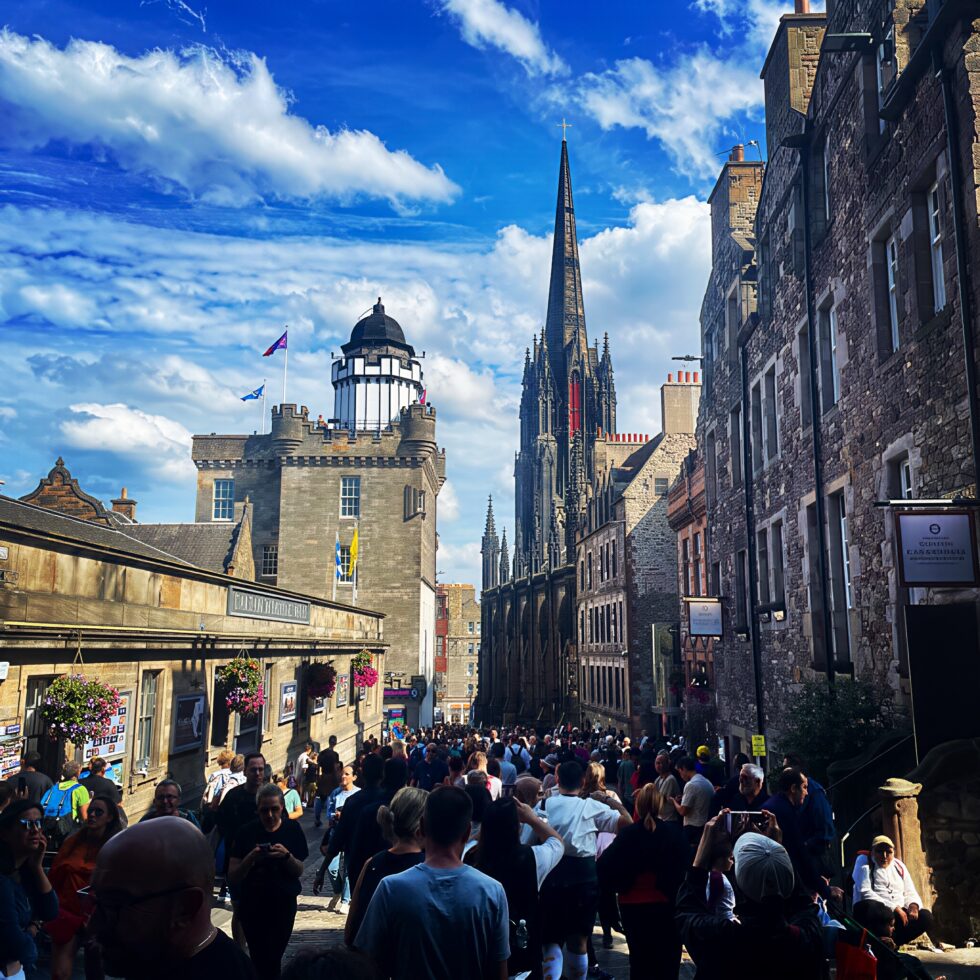
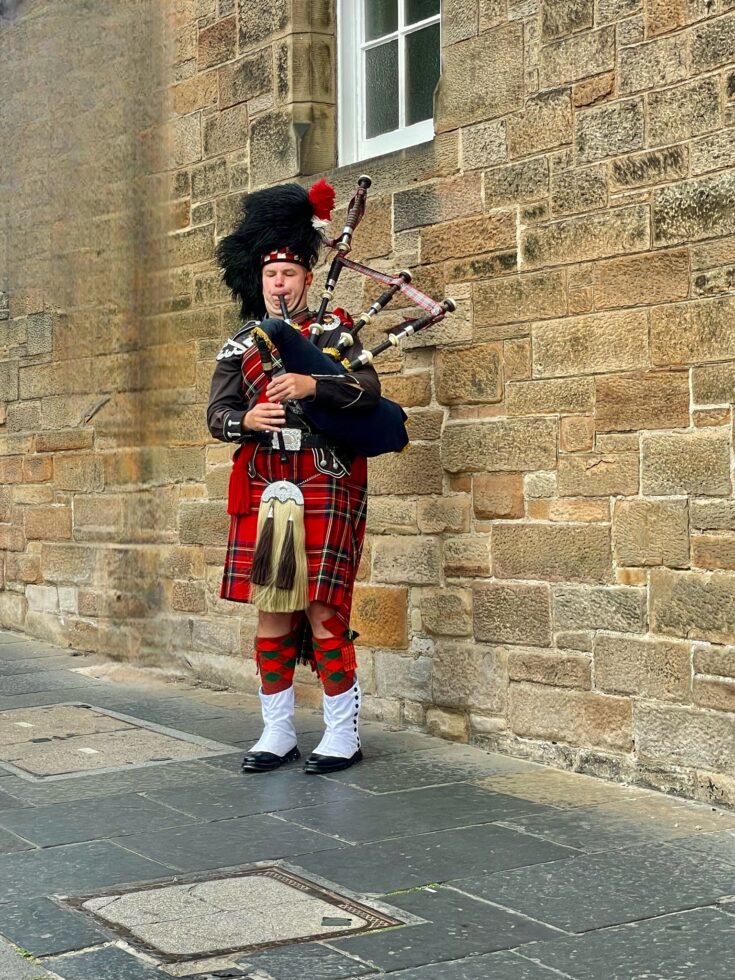
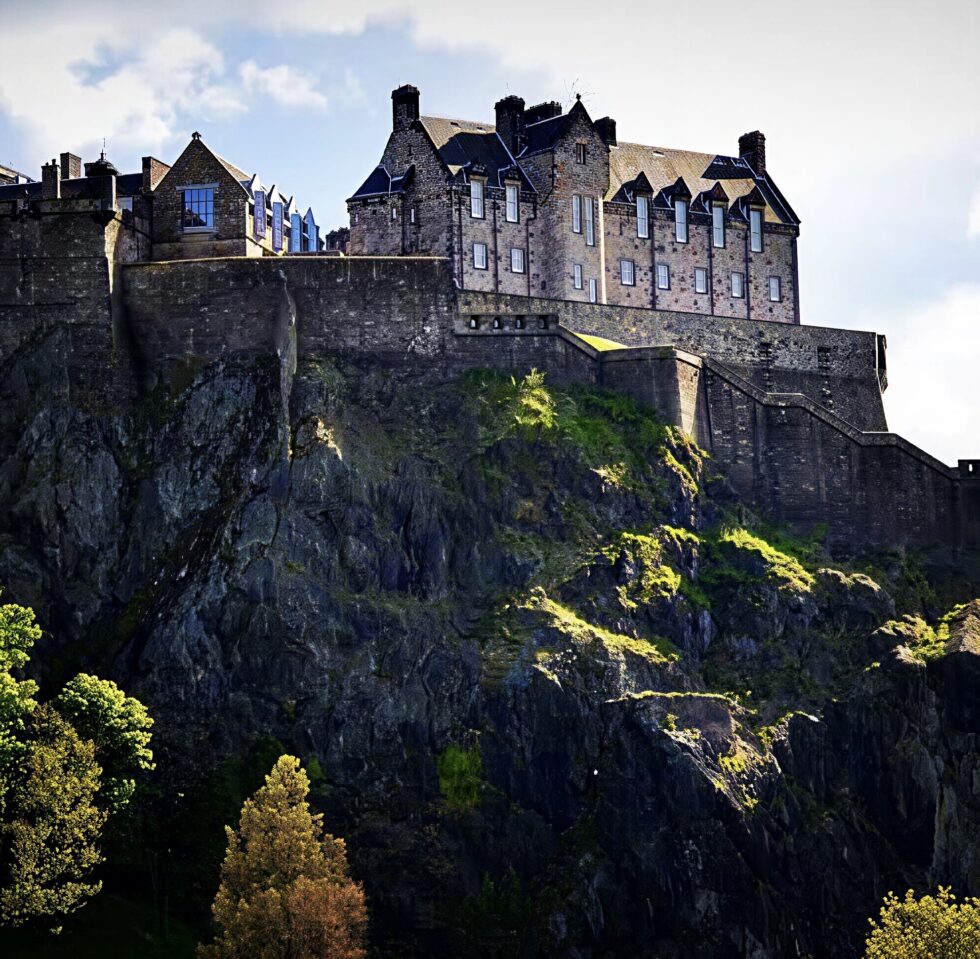
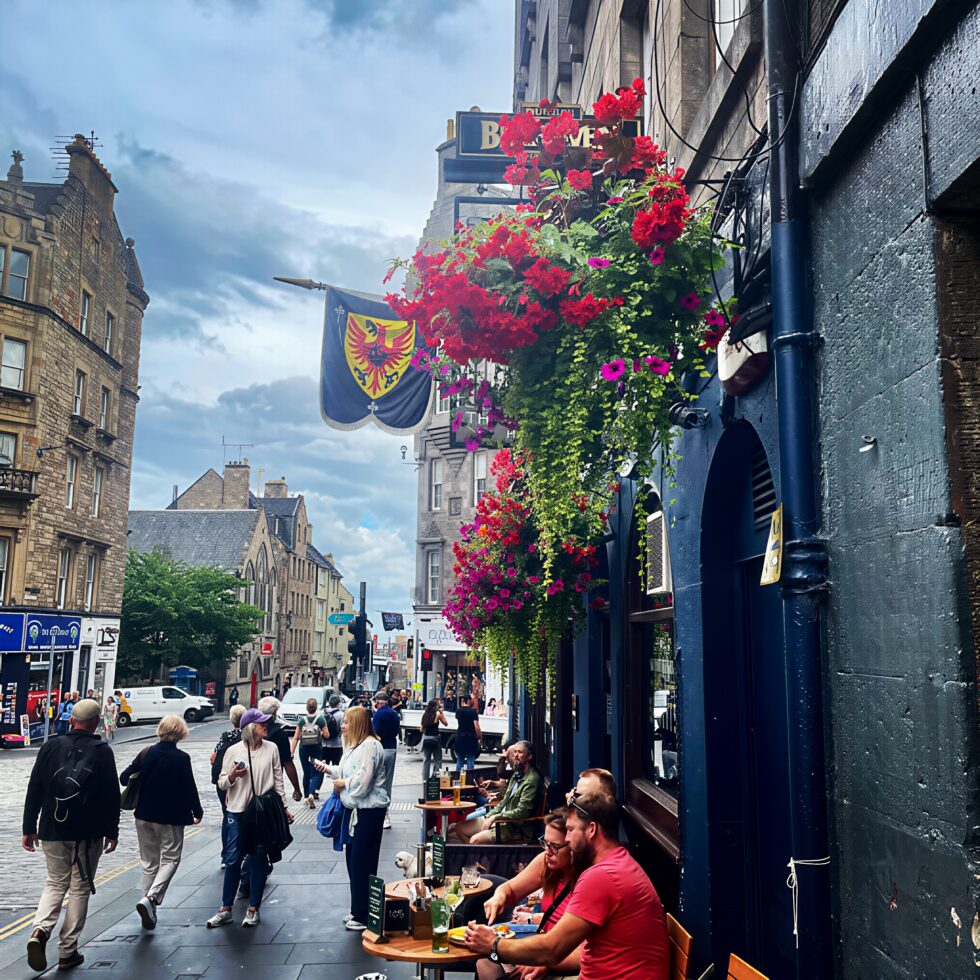
Cobbled streets alive with pub punters, a busker channelling Amy Winehouse, another tickling the ivories on a piano on wheels, a fire twirler, a melancholic piper, gaggles of tourists following their guide’s aloft flags, we stroll down the Royal Mile, the city’s historic heart. There at the top – Edinburgh Castle, rising shadow-like atop Castle Rock – an extinct volcano older than Scotland itself.

St Giles Cathedral
The Royal Mile
Walking in Ancient Footsteps

Following our English guide (who looks surprisingly Nordic, in keeping with the UK’s earlier invasions), climbing up the steep cobble into the heart of the castle feels like time‑travel. Beneath our boots – Iron Age settlers, medieval royals, pirates even, once stood their ground. This fortress has weathered more battles than almost anywhere else in Britain – 26 (23 recorded) sieges, to be exact. A few interesting secrets and surprises…

Edinburgh Castle
Secrets and Surprises of Edinburgh Castle

Built on Fire & Stone -The castle’s foundation is Castle Rock, an extinct volcano formed 350 million years ago. Humans have lived here since at least the Iron Age, so it’s not just a castle on a rock – it’s a castle on time itself.

Witches at the Stake – Darker tales linger too. In the 16th century, over 300 women accused of witchcraft were tortured and burned at Castlehill. Today, a small memorial on the Esplanade honours those lost to superstition and fear.

Prisoners of War – From French sailors to American revolutionaries, the dungeons once held thousands of prisoners during wars that stretched from Europe to the New World.

A Swastika in the Glass – Inside the Scottish National War Memorial, a swastika appears in the stained glass. Not sinister – but a symbol of good fortune from ancient India, long before the Nazis stole it.

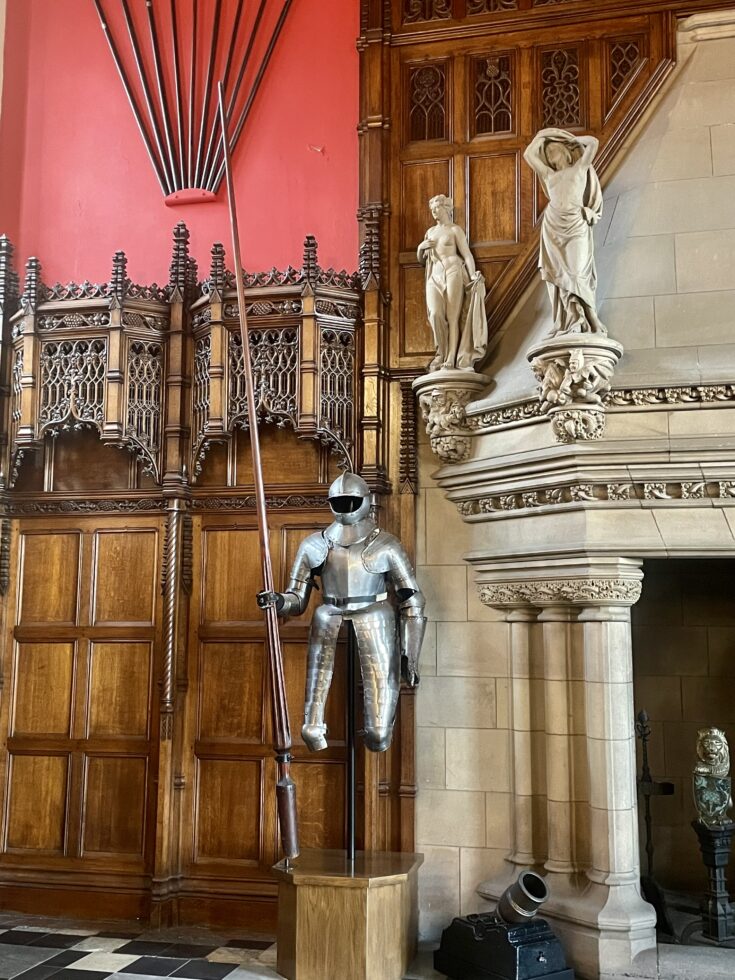
The King’s Spyhole – Look up in the Great Hall and you’ll find ‘laird’s lugs,’ a tiny spyhole King James IV used to eavesdrop on council meetings. So effective that when Gorbachev visited in 1984, the KGB insisted it be bricked over!

The Most Attacked Place in Britain – With 23 recorded sieges, no other fortress in the UK has been fought over so often. From medieval struggles to the Jacobite risings, the castle has stood its ground — though not always in Scottish hands.

The Honours of Scotland – The oldest sovereign regalia in the United Kingdom: the Scottish Crown, Sceptre, and Sword of State were hidden in 1651–60 to keep them from Oliver Cromwell’s army, and were accidentally rediscovered in 1818 by Sir Walter Scott. A case of ‘anyone seen my crown lying around?’ Nope, not me, sire!

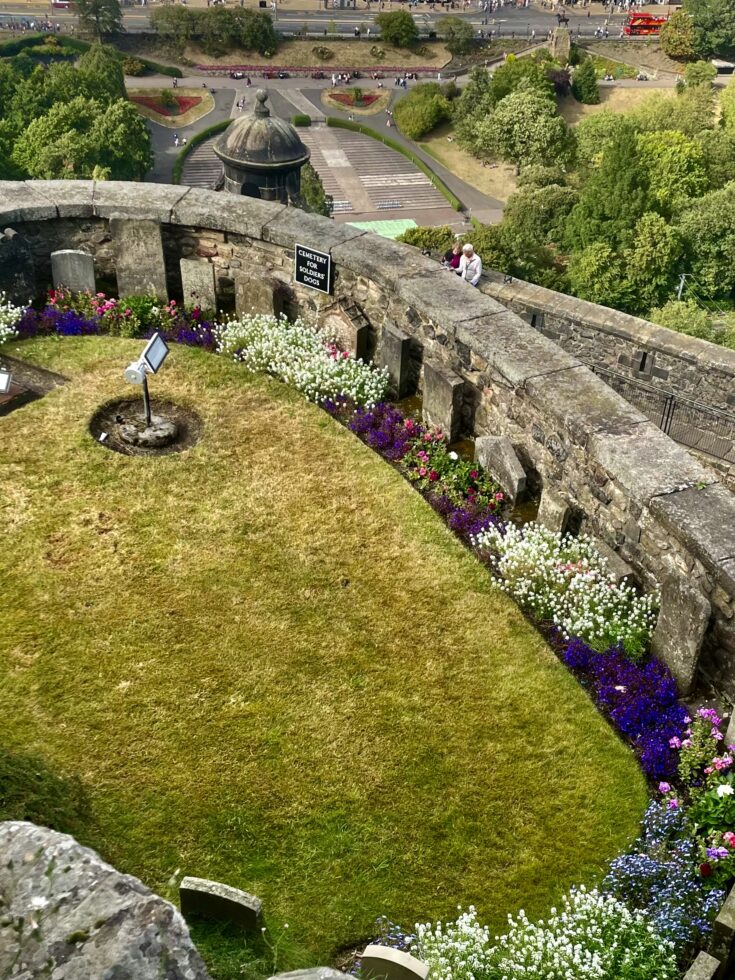
My heart squeezed a little too as I viewed the wee pet cemetery, a spot devoted to puppas that have served as defenders and friends over those centuries.

Edinburgh Castle Pet Cemetery

Leaving the castle, we took one last glance back. From volcanic rock to royal intrigue, witches to war memorials, Edinburgh Castle isn’t just a fortress – it’s a living scrapbook of Scotland’s soul.

The Royal Mile
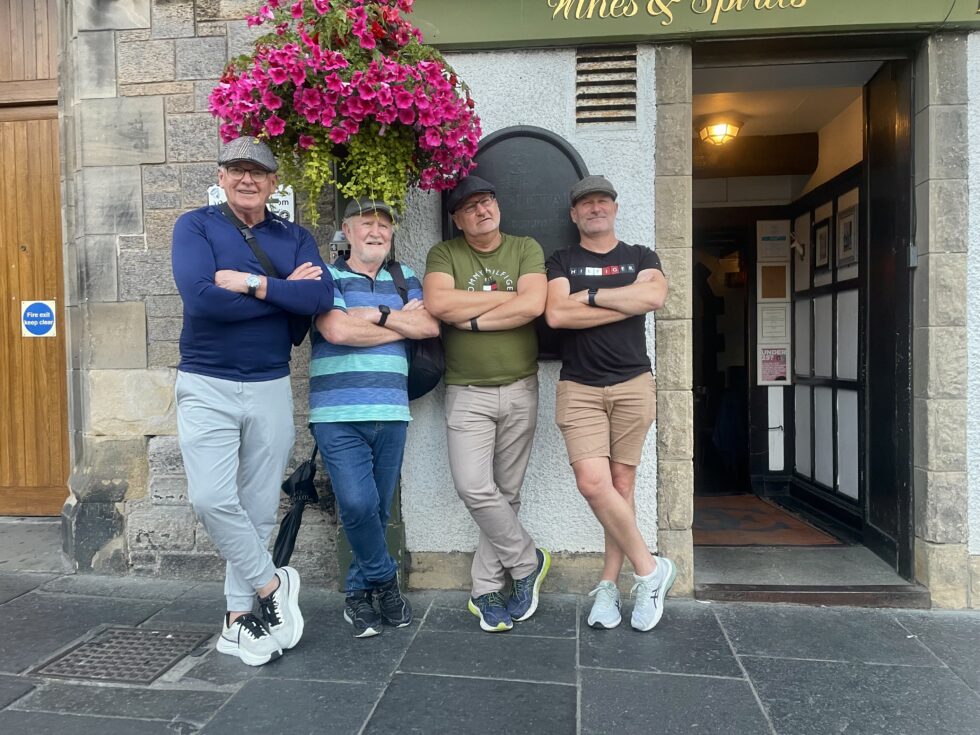
Chaps in caps

Oh! And what better city to run into our neighbours, huh? The boys channeling Peaky Blinders in their various renditions of flat caps. Dinner, a rolling friend gathering pub crawl, followed by a lazy amble home. And as the evening light settled over the Royal Mile, I felt it: this city isn’t just seen, it’s felt. Every stone tells a story. London bound tomorrow…

York – Pints, Punts & Plenty of Ghosts

A weekend in the UK’s most haunted (and most pub-filled) city.

Married to a man who is a walking horse pedigree encyclopaedia, soaking up the energy of the Ebor Races was one of his bucket list essentials. And oh boy, don’t the Brits take their racing seriously!

Hi again, lovely readers.

Today, we armed ourselves with hats and a fascinator snaffled from the markets, pop heels and dress shoes into overly stuffed bags (Edinburgh next), jump on an early train and do a dress up Houdini in a York pub before joining the masses on this, the last day of the race meet.

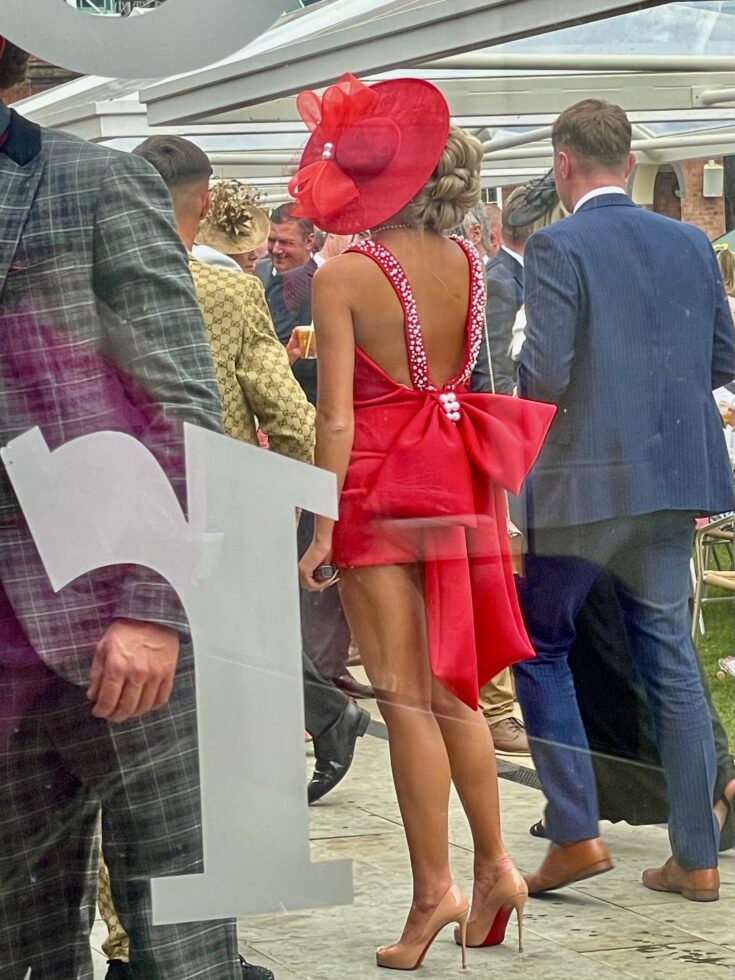
A Snap from the Track
Those kick ass heels!

First things first, the Ebor Festival isn’t just a race meet, it’s a four-day celebration of drama, glamour and top-tier flat racing. Running every August at York Racecourse, its roots stretch back to when the Ebor Handicap first galloped to life in 1843. Today, it’s Europe’s richest flat handicap, offering an impressive £500,000 purse to the winner and carrying centuries of tradition along its turf.

Each festival day has its own theme:
• Wednesday: Juddmonte International Day
• Thursday: Ladies’ Day, stilettos and sipping
• Friday: Nunthorpe Day, speed and surprise
• Saturday: The iconic Ebor Day — the crescendo of racing week.

Folks drop in by smoking parachutes, there are snipers on the roof, and Queen Camilla pops in to present the trophy to Ethical Diamond, taking the Ebor crown with style and reminding us all why racegoers love this sport.

Aching feet, Moët fugue, happy-chappy, gotta say it’s a significant relief to find our delightful Air B&B nearby and crash, ready to hit York tomorrow.

York – More Than Just a Racetrack

York, by contrast, whispers history – the kind that unfolds between winding lanes and hidden corners, wonky streets, medieval gateways and the home of scrummy Yorkshire puddings with rich gravy (took one for the team and ate two serves!) – this gem of a city holds so many fun facts – here’s my top ten!

1. York is home to Whip-Ma-Whop-Ma-Gate, one of the world’s shortest streets – just 35 metres long – with a name that loosely means “neither one thing nor the other.”

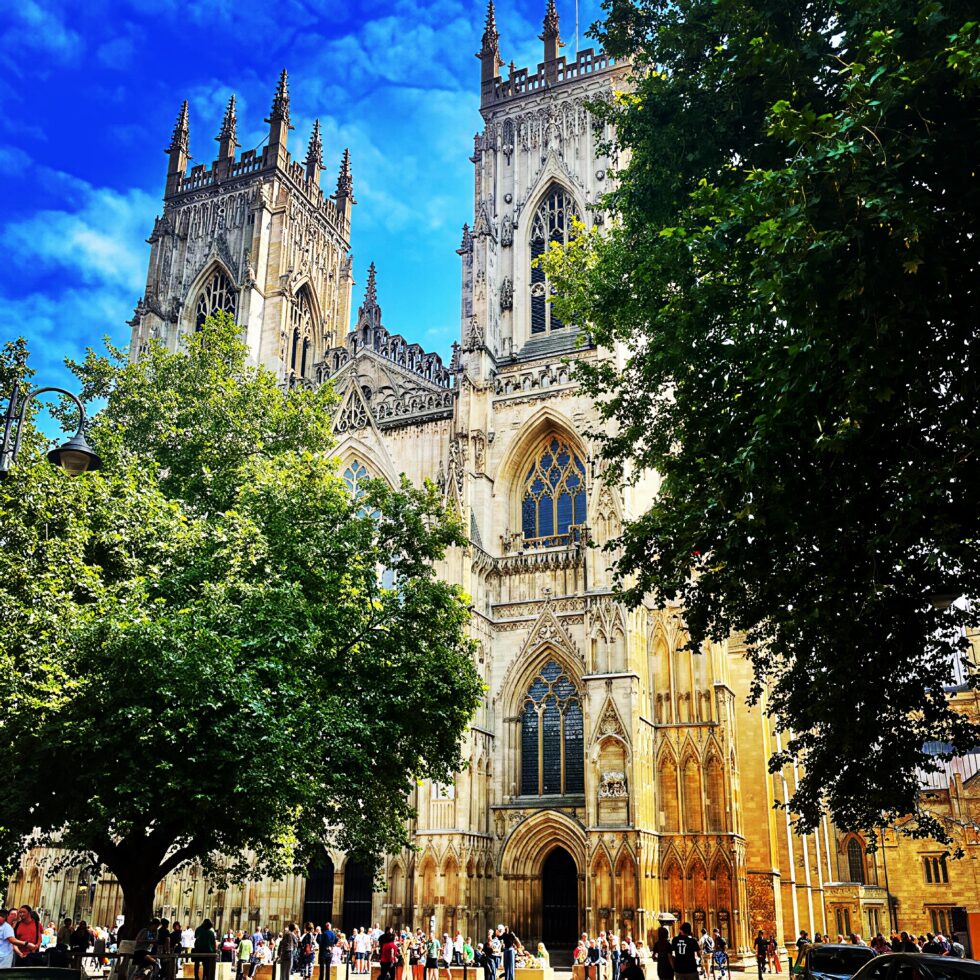
2. York Minster’s Great East Window is the largest expanse of medieval stained glass in Europe, completed in 1408 and telling biblical stories across more than 300 panels.

3. The city boasts over 365 pubs, more per square mile than anywhere else in England – from haunted taverns to centuries-old inns.

4. With over 500 recorded ghost sightings, York is considered Europe’s most haunted city. Ghost tours through The Shambles and Treasurer’s House are legendary. Definitely on the agenda for next trip!

5. The Jorvik Viking Centre brings York’s Viking roots to life with recreated streets, smells, and artefacts from excavations of the original settlement. This was fascinating!

6. Its medieval walls stretch over two miles, the longest and best-preserved in England, offering the perfect walk with views over the Minster.

7. The infamous Gunpowder Plot conspirator Guy Fawkes was born here in 1570. His birthplace is now the Guy Fawkes Inn.

8. York has twice been England’s capital: as Roman Eboracum and later under Edward I during his Scottish campaigns.

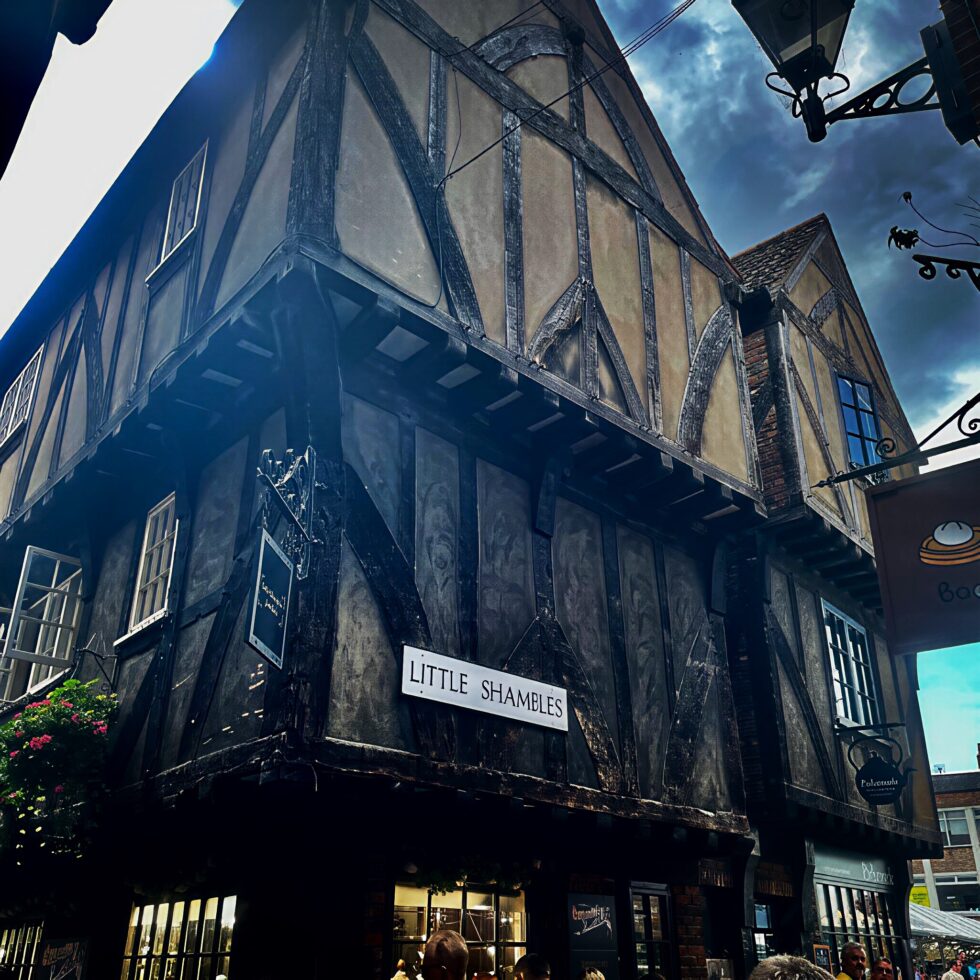
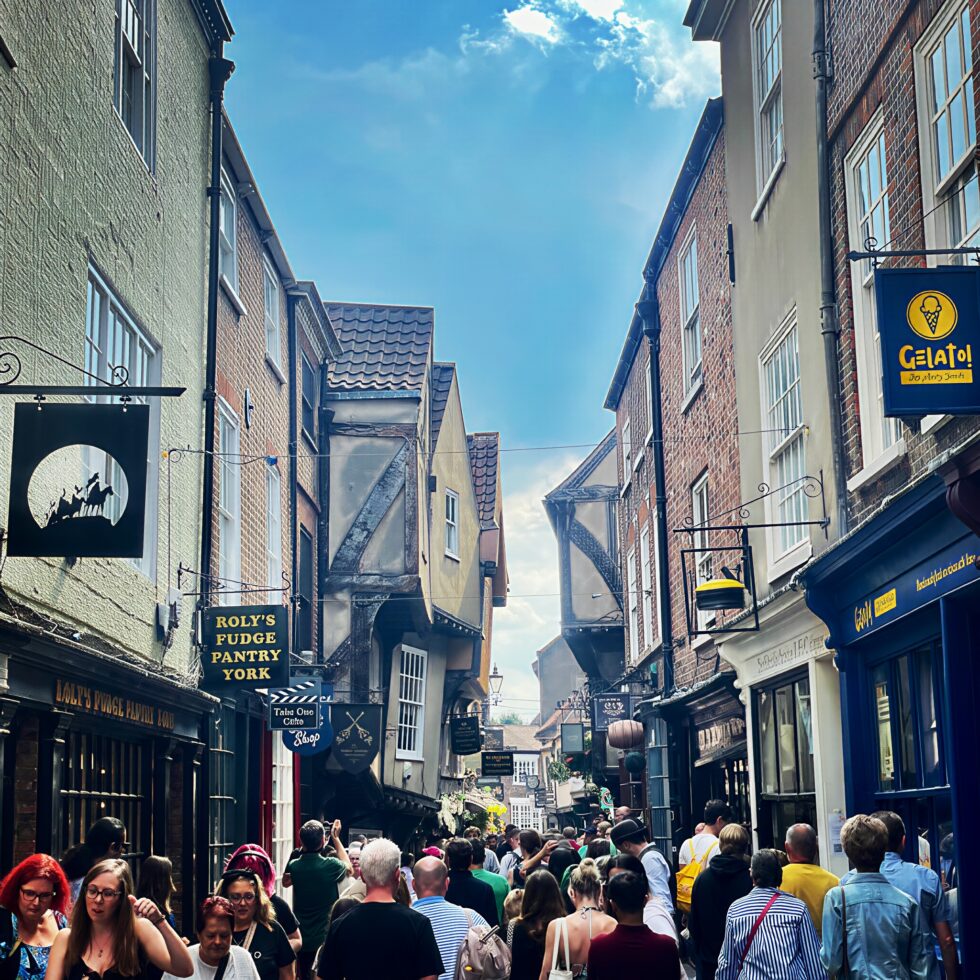
9. They say that York’s crooked medieval street, The Shambles, inspired Diagon Alley in the Harry Potter films, though JK Rowling disputes this. Regardless, The Shambles capitalises on this with loads of small shops devoted to Potter memorabilia.

10. Every September, the city hosts the UK’s largest food and drink festival, celebrating local produce, street food, and craft drinks.

York Minster
Little Shamble Street
Kinda packed in the Shambles!
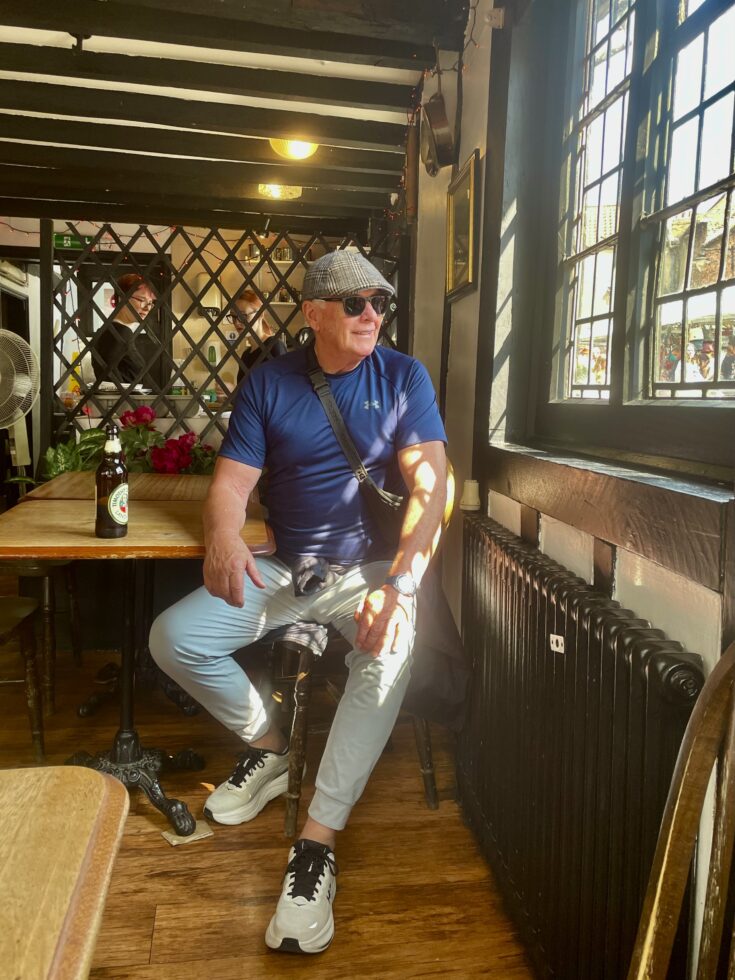
G sampling one of those pubs
Final Thoughts

Rome’s cobbles, Viking secrets, and horse racing excitement all rolled into two days – York gave me contrast and context in the most delightful way – like stepping from history into haute-couture sport and back.

Next stop Edinburgh.

1 2 3 4 68